The quest for sustainable energy solutions has never been more critical as the world grapples with the effects of climate change and the depletion of fossil fuel reserves. Among the myriad of renewable energy technologies, anaerobic digestion stands out as a promising method for converting organic waste into usable energy. This article delves into how anaerobic digestion contributes to sustainable energy, exploring its processes, benefits, and potential to transform the energy landscape.
Understanding Sustainable Energy
Renewable energy is a concept that involves using sources of energy that can help provide the current generation’s power needs without inflicting on future generations the same disadvantage of having no power sources. This type of energy is renewable, and it is repeatedly replenished naturally in the shortest time possible. Sustainable energies are of diverse forms, which include solar energy, wind energy, hydro energy, and bioenergy, among others. Both of these sources provide a mechanism for the reduction of fossil fuel usage and greenhouse gases, as well as for developing proper environmental stewardship.
What is digestion?
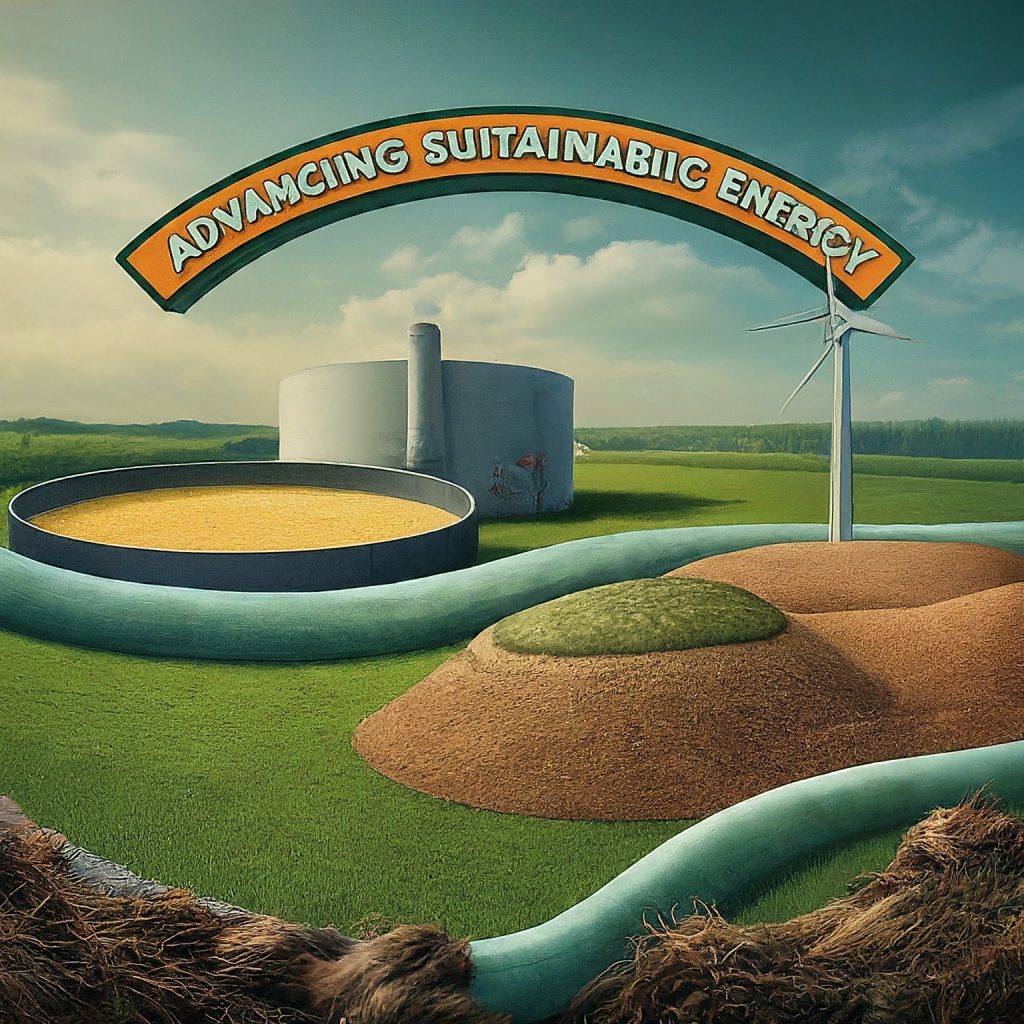
Anaerobic digestion is an ecosystem that involves the decomposition of organic substances like animal and agricultural waste, manure, municipal solid waste, plant material, sewage, and food waste in the absence of air or oxygen. The outcome of this process is biogas, consisting essentially of methane and carbon dioxide, and digestate, which is a nutrient product that is useful as a fertiliser. Biogas is most often used in combination with heat and power in CHCP plants to produce electricity and heat, or it is upgraded to biomethane as a renewable natural gas.
The Process of Anaerobic Digestion
The anaerobic digestion process occurs in four stages: hydrolysis, acidogenesis, acetogenesis, and methanogenesis.
- Hydrolysis: Complex organic matter such as carbohydrates, proteins, and fats are broken down into simpler molecules like sugars, amino acids, and fatty acids by hydrolytic bacteria.
- Acidogenesis: The simple molecules produced in hydrolysis are further broken down by acidogenic bacteria into volatile fatty acids, alcohols, hydrogen, and carbon dioxide.
- Acetogenesis: Acetogenic bacteria convert the volatile fatty acids and alcohols into acetic acid, hydrogen, and carbon dioxide.
- Methanogenesis: Finally, methanogenic bacteria convert acetic acid, hydrogen, and carbon dioxide into methane and water. The methane can then be captured and used as a renewable energy source.
Is sustainable energy the future?
The combination of two major problem areas, such as climatic change and mincing of fossil fuel resources, have paved way for the development of sustainable energy. Renewable or clean energy, which is harnessed from natural resources such as sunlight, wind, water, and biological material, is the key to enabling a new energy system. In this paper, the argument presented and intent captured revolve around understanding why sustainable energy is all set to become the new and impending future revolution of energy systems and how is revolutionizing power generation.
The Urgency of Transitioning to Sustainable Energy
However, the effects of climate change are evident in the world today, where severe and heavy downpours, floods, droughts, and increases in temperature, amongst others, are an extraordinary normal. Lighting, heating, electricity, and other activities that involve the utilization of fossil fuels contribute immensely to the greenhouse gases that cause global warming. Switching to sustainable energy is not an option but a necessity so as to reduce these effects often experienced as a result of current energy use and secure a habitable planet for generations to come.
Environmental and Economic Benefits
Renewable energy delivers vast and deeper impacts on the environment in aspects like emissions of carbon dioxide and other greenhouse gases. It should be noted that many renewable resources emit little to no pollution or greenhouse gases when used as generation sources, which improves air and water quality. It can allow for reducing the amount of pollution, which leads to adverse health effects, and improving the health of ecosystems.
Finally, following the path of the previous criteria, sustainable energy is also gradually becoming economically viable in comparison with conventional sources of energy. As the infrastructure has improved and the capital invested in infrastructure technology has increased, the costs of solar and wind energy have been significantly reduced, making them viable options. Moreover, the sustainable energy project provides employment, both at the manufacturing level for the production of machines and structures and at the installation level, contemplating research and development projects. Such job creation acts as an economic catalyst and can create new jobs in areas that are yet to be wrecked by the effects of fossil fuel usage.
Energy Security and Independence
Sustainable energy is secure energy, and it does not depend on imported fuel. The nations that decided to become involved in the utilization of renewable sources can successfully use their native resources; thus, they do not rely on the world’s energy market and its fluctuations and conflicts. For example, the use of solar panels and windmills can produce electricity at home, reducing dependence on imported oil and natural gas.
Furthermore, roof-top solar photovoltaic devices and other small-scale distributed generation systems like wind power generators enable individuals and groups of people to produce their own electricity. This can help to distribute power production and make the energy supply more resistant to natural disasters and failures of existing poles.
Technological Innovation and Grid Modernization
This change to sustainable energy is spurring advancements in practical technological applications and updating the infrastructure of electric transmission and distribution. International investment is being made in smart grids, effective energy storage technologies, and better methods for forecasting, allowing a transition to renewable energy sources easily. Battery technologies can help repurpose captured energy from solar and wind for use at other times; this serves as a way of dealing with the reduction in the reliability of energy production and supply due to intermittency.
Besides, the continuous advancement of the electric vehicle market and changes in the EV charging infrastructure that combine them with renewable power sources are reshaping transportation. As LEVs that rely on fossil fuels, conventional ICEVs emit high levels of pollutants that contribute to air pollution and climate change; clean energy EVs can hence help lower pollution emissions from this key sector.
Policy Support and Global Initiatives
Another critical aspect is that the actions and measures of governments and regulatory bodies, as well as the provisions of international treaties, are essential prerequisites for the transformation towards sustainable energy. Government incentives such as subsidies, tax credits, and rebates, as well as the requirement that utilities include renewable resources in their energy portfolios, can encourage investment in the renewable energy sector.
The Paris Agreement that currently has near-universal membership has the long-term goal of achieving a balance between anthropogenic emissions by sources and removals by sinks of greenhouse gases in the second half of the present century, while the intended nationally determined contributions could peak global net anthropogenic emissions around 2030 and bring them to a peak as soon as possible, with a clear understanding to obtain, collectively, the peak in individual exercised country efforts around 2020 by 5 degrees. Ample efforts are needed to reach these targets with the essential precondition of an unprecedented scale-up of renewable energy sources.
The future of electricity is today’s sustainability, and renewable energy is gradually posing as the energy of the present. Green energy is definitely an appealing response to the opportunities and threats of the contemporary world due to its advantages in terms of environmental impact, the economy, and society. Recent trends in technology and the global actions being taken imply that renewable energy will be progressively more and more influential as the main source of energy. The need for embracing this shift and getting to the other side is critical, as it will help create a sustainable, shock-responsive, and prosperous society adequate for the whole population.
What are the benefits of green energy?
Renewable energy, generated from natural resources like solar, wind, hydro, thermal and bio- mass energy has got certain advantages that has made it a strong pillar of sustainable development and good environmental practices. Especially at present in which socio-ecological crisis like climate change, systematic exhaustion of resources, and environmental pollution are clearly being experienced worldwide, the integration of green energy proves to be crucial. This paper gives an account of the dimension of win-win by green energy as sustainable development which also entails benefits in environmental health, economic development, energy security, and human welfare.
Environmental Benefits
Another advantage of using green energy sources is near-zero damage that the environment endures due to green sources unlike the traditional fossil fuels. The power generated from green sources of energy emits little or no greenhouse gases into the atmosphere during generation and this plays a decisive role in addressing climate change. For example, solar panels and wind turbines produce energy without employing fossil fuels emitting carbon dioxide and other hazards. This reduction contributes to the cleaning of the air as well as cutting of health complications like respiratory diseases and heart-related issues originating from polluted air.
It also has a positive effect of not importing energy from non-renewable resources, hence protecting the environment such as animal species. For instance, hydroelectric power works from the force of water without consuming the water most of the times, wind and solar power do not need fuel processing procedures that have impacts to the environment like in drilling or mining activities. Furthermore, the development of renewable sources of energy reduces the extent and rate at which fossil fuels are being mined, thus reducing habitat loss and water pollution from oil spillage.
Economic Benefits
Another advantage of using green energy sources is near-zero damage that the environment endures due to green sources unlike the traditional fossil fuels. The power generated from green sources of energy emits little or no greenhouse gases into the atmosphere during generation and this plays a decisive role in addressing climate change. For example, solar panels and wind turbines produce energy without employing fossil fuels emitting carbon dioxide and other hazards. This reduction contributes to the cleaning of the air as well as cutting of health complications like respiratory diseases and heart-related issues originating from polluted air.
It also has a positive effect of not importing energy from non-renewable resources, hence protecting the environment such as animal species. For instance, hydroelectric power works from the force of water without consuming the water most of the times, wind and solar power do not need fuel processing procedures that have impacts to the environment like in drilling or mining activities. Furthermore, the development of renewable sources of energy reduces the extent and rate at which fossil fuels are being mined, thus reducing habitat loss and water pollution from oil spillage.
Energy Security and Independence
Green energy improves energy security because utilization of local resources instead of imported fuel is a good defense against fluctuating oil price. Those countries that could access their renewable energy sources of solar, wind, and water could do so within their own natural countries so this new vulnerability to that pressure which might cause geopolitical tensions, and supply disruptions. The freedom from dependence on foreign supply is rather crucial for those countries that at the moment are importing large amounts of fossils.
Also, green energy systems which include solar energy and wind energy small systems of renewable energy can be decentralized systems such as roof-top solar panels and small wind turbines for power production. This decentralization also increases the flexibility of the energy supply because instead of having large power stations supplying electricity over long distances, energy can be distributed and produced locally depending on the needs. It also gives individuals and communities control over their demands for electricity, thus cutting down on demand from large power stations, as well as increasing energy self-sufficiency.
Social and Health Benefits
Green energy means installing systems that are environmentally friendly and can have far reaching social and health impacts when embraced. Since green energy contributes to the decrease in air pollution, the overall health condition of the people improves, thus reducing on the kind of expenditures that are incurred on health. Breathing is crucial to the lungs and overall body health thus requiring cleaner air free from pollutants such as; sulfur dioxide, nitrogen oxides, and particulate matter to prevent such diseases and deaths.
Green energy projects also enhance social equity as it is profoundly associated with the delivery of affordable and dependable electricity to society’s underprivileged classes. In most of developing countries, renewable energy like solar mini-grids and wind power is a suitable option to serve the centralized grid-connected remote areas. These elements of energy can enhance the education, health, and even employment chances, thereby fostering social advancement and reducing poverty.
There are numerous advantages, long-term and short-term, that could be derived from green energy: conservation of the natural environment, creation of wealth and employment opportunities, enhancement of energy security, and promotion of the general welfare of people. From the standpoint of climate change, green energy saves on emissions, air, water, and minerals, provides and sustains jobs, stabilizes energy costs, increases energy security, and improves public health, Green Energy secures the future. Going green in energy is not only a critical method of harnessing climate change impact, but it is also a necessary action that we ought to take on our path to better and more sustainable living for everyone.
Is 100% sustainable energy possible?
The goal of using a 100% sustainable energy is a goal that is quite achievable but is still quite a ways off, because of key driving forces like technology, policies ,and people’s consciousness of the effects of their actions on the environment. The shift toward the reliance on completely renewable energy systems such as solar, wind, hydroelectric, and geothermal energy source pose numerous technical challenges, costs and other considerations.
To encourage the use of renewable energy, however, a plausible solution includes better energy storage systems as well as smart grid technology to cope up with fluctuation in the supply of power from renewable sources of energy. For instance, battery storage, pumped hydro storage, and other smart energy technologies allow systems to capture excess energy in real-time production and use it at peak-demand time.
In the past few decades, improvements in technology have made technologies related to renewable energy cheaper to produce and improved in their efficiency. Renewable energy technology has improved on power generation on solar and wind energy; cheap with increased efficiency and new technologies in bio energy and geothermal. Moreover, incorporation of these technologies within the networks associated with well-established structures of demand control and electricity supply necessitates flexible, advanced and new power grids.
Policy frameworks are an even more critical element in this shift due to the extensive changes they trigger. Governments around the globe are now approaching their subjects with challenging targets for renewable energy generation, offering subsidies and enacting regulations that should help foster the growth of green technologies. Technological cooperation with national and/or international organizations, e. g. , the UN’s Paris Agreement, seeks to minimize carbon emissions and foster green energy utilization.

However, there is still a long way to cent complete power through sustainable energy if at all possible, it means that economic inequalities and fair distribution of technology also need to be considered. New AFRIKA provides Third-World countries, specifically, an opportunity to overcome reliance on fossil fuels and incorporate renewable energy systems. Building up people’s support and active involvement is crucial in the transition to cleaner energy systems, and this can only be achieved through engagement and awareness creation.
Therefore, despite the fact that in the case of particular buildings or countries the way of obtaining 100% of sustainable energy may seem long and rather complicated, it is clearly in sight. With such innovations encouraged by policies and collaborations in across the world, the possibility of a world that runs purely on renewable energy sources is within sight due to the numerous benefits in this aspect in terms of the impacts of climate change, economic incentives, and social well-being.
Leave a Reply