Reneweconomy, the global shift towards sustainable energy solutions marks the dawn of the reneweconomy, an economic system driven by renewable resources and green technologies. At the heart of this transformation is the need to balance economic growth with environmental stewardship. As we strive to mitigate the adverse effects of climate change and reduce our dependence on fossil fuels, innovative technologies such as anaerobic digesters emerge as pivotal players.
Anaerobic digesters, sophisticated systems that convert organic waste into biogas and nutrient-rich digestate, represent a significant leap in waste management and renewable energy production. This comprehensive guide explores the intricate relationship between anaerobic digesters and the reneweconomy, shedding light on their operational mechanisms, economic impacts, environmental benefits, and future prospects.
In the pages that follow, you will find a detailed examination of how anaerobic digesters function, the myriad ways they contribute to the reneweconomy, and the transformative potential they hold for a sustainable future. Whether you are a policymaker, industry professional, or simply an environmentally conscious individual, this guide offers valuable insights into the vital role anaerobic digesters play in driving the reneweconomy forward.
Understanding the Reneweconomy
Definition and Components of the Reneweconomy
The term ‘reneweconomy‘ encapsulates an economic system that prioritizes renewable resources and sustainable practices over traditional, non-renewable methods. This paradigm shift is driven by the urgent need to address environmental concerns, reduce greenhouse gas emissions, and create a sustainable future. Key components of the reneweconomy include renewable energy sources like solar, wind, and bioenergy; green technologies that enhance energy efficiency; and sustainable practices that minimize environmental impact.
Renewable energy sources form the backbone of the reneweconomy. Solar power harnesses the sun’s energy through photovoltaic cells, while wind energy converts kinetic energy from wind into electricity using turbines. Bioenergy, derived from organic materials such as plant and animal waste, is where anaerobic digesters come into play. These technologies collectively reduce our reliance on fossil fuels and decrease carbon emissions.
Green technologies also play a crucial role in the reneweconomy. Innovations in energy storage, smart grids, and electric vehicles improve energy efficiency and reliability. Sustainable practices, including waste reduction, recycling, and circular economy principles, further enhance resource utilization and environmental conservation.
Key Trends and Developments in the Reneweconomy
The reneweconomy is characterized by rapid advancements and dynamic trends that reshape the global energy landscape. One of the most significant trends is the declining cost of renewable energy technologies. Over the past decade, the cost of solar panels and wind turbines has plummeted, making renewable energy more competitive with traditional fossil fuels. This trend is expected to continue, driven by technological improvements and economies of scale.
Another notable trend is the increasing investment in renewable energy projects. Governments, corporations, and investors worldwide are pouring funds into renewable energy infrastructure, recognizing the economic and environmental benefits. Public policies and incentives, such as tax credits, subsidies, and renewable portfolio standards, further stimulate investment and adoption.
Technological innovation also drives the reneweconomy forward. Breakthroughs in battery storage, for example, address the intermittency of solar and wind power, enabling more reliable and consistent energy supply. Smart grid technology enhances energy distribution and management, optimizing the integration of renewable energy sources.

The Role of Renewable Energy Sources
Renewable energy sources are the cornerstone of the reneweconomy. Solar, wind, hydro, and bioenergy not only provide cleaner alternatives to fossil fuels but also offer diverse benefits that extend beyond environmental impact. Solar power, for instance, is abundant and accessible in many parts of the world, providing a reliable source of energy with minimal operational costs. Wind energy, particularly in coastal and open plains regions, harnesses natural wind patterns to generate electricity efficiently.
Bioenergy, derived from organic materials, stands out for its versatility and dual benefits. Anaerobic digesters, a key technology in the bioenergy sector, convert organic waste into biogas—a renewable energy source—and digestate, a valuable fertilizer. This process not only reduces waste and greenhouse gas emissions but also provides a sustainable energy solution.
Economic and Environmental Benefits of the Reneweconomy
The transition to a reneweconomy yields substantial economic and environmental benefits. Economically, the growth of renewable energy sectors generates jobs and stimulates investment. The renewable energy industry employs millions of people worldwide in various roles, from manufacturing and installation to maintenance and research. These jobs often offer higher wages and better working conditions compared to traditional fossil fuel industries.
Environmentally, the reneweconomy mitigates climate change by reducing greenhouse gas emissions. Renewable energy sources produce little to no emissions during operation, significantly lowering the carbon footprint. Additionally, sustainable practices such as waste reduction and recycling minimize environmental degradation and conserve natural resources.
The reneweconomy also promotes energy security and resilience. By diversifying the energy mix and reducing dependence on imported fossil fuels, countries enhance their energy independence and stability. Renewable energy systems are often decentralized, making them less vulnerable to large-scale disruptions and enhancing community resilience.
Basics of Anaerobic Digestion
What is Anaerobic Digestion?
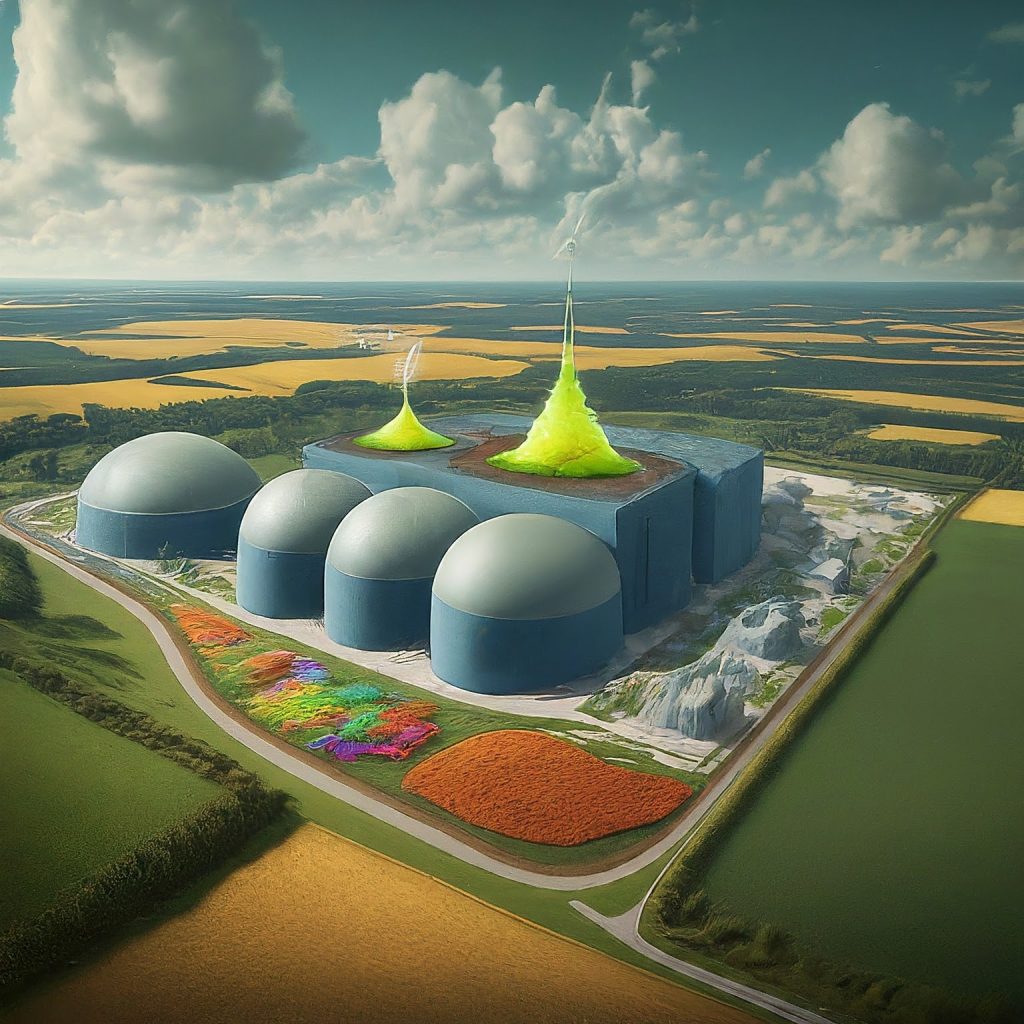
Anaerobic digestion is a biological process in which microorganisms break down organic matter in the absence of oxygen, producing biogas and digestate. This process occurs naturally in environments such as wetlands, landfills, and animal intestines. Anaerobic digesters replicate and optimize this natural process under controlled conditions, providing a reliable and efficient method for managing organic waste and producing renewable energy.
Biogas, a mixture of methane and carbon dioxide, is the primary product of anaerobic digestion. It can be used directly for heating, electricity generation, or as a vehicle fuel after purification. Digestate, the nutrient-rich by-product, can be used as a fertilizer, enhancing soil health and reducing the need for chemical fertilizers.
Historical Background and Evolution
The concept of anaerobic digestion has ancient roots, with early examples of biogas use dating back to the Assyrians in the 10th century BC and the Persians in the 16th century. However, modern anaerobic digestion technology began to develop in the 19th and 20th centuries. The first anaerobic digester plant was built in Bombay, India, in 1859, and the technology has since evolved significantly.
Advancements in microbiology and engineering have improved the efficiency and scalability of anaerobic digesters. Today, anaerobic digestion is used worldwide for waste management, renewable energy production, and environmental protection. The technology continues to evolve, driven by ongoing research and innovation.
Types of Anaerobic Digesters
Anaerobic digesters come in various designs and configurations, each suited to different types of feedstock and operational requirements. The main types include:
- Continuous Stirred Tank Reactors (CSTRs): These digesters continuously mix the contents to ensure uniform digestion. They are suitable for a wide range of feedstocks and are commonly used in agricultural and industrial applications.
- Plug Flow Digesters: These digesters have a tubular design, where feedstock moves through the digester in a “plug” fashion. They are ideal for solid and semi-solid feedstocks, such as manure and crop residues.
- Covered Lagoon Digesters: These are large, lined ponds covered with a gas-tight membrane. They are cost-effective for liquid waste and slurry and are often used in livestock operations.
- Upflow Anaerobic Sludge Blanket (UASB) Digesters: These digesters allow wastewater to flow upward through a blanket of granular sludge, promoting efficient digestion. They are commonly used for industrial wastewater treatment.
Each type of digester has its advantages and limitations, and the choice depends on factors such as feedstock characteristics, available space, and economic considerations.
Key Processes and Mechanisms in Anaerobic Digestion
Anaerobic digestion involves several stages, each mediated by specific groups of microorganisms. The main stages include:
- Hydrolysis: Complex organic molecules such as carbohydrates, proteins, and fats are broken down into simpler compounds by hydrolytic bacteria. This stage produces sugars, amino acids, and fatty acids.
- Acidogenesis: Acidogenic bacteria further break down the products of hydrolysis into volatile fatty acids, alcohols, hydrogen, and carbon dioxide.
- Acetogenesis: Acetogenic bacteria convert volatile fatty acids and alcohols into acetic acid, hydrogen, and carbon dioxide.
- Methanogenesis: Methanogenic archaea produce methane by consuming acetic acid, hydrogen, and carbon dioxide. This final stage produces biogas, which can be captured and utilized.
The efficiency of anaerobic digestion depends on various factors, including temperature, pH, retention time, and feedstock composition. Maintaining optimal conditions for microbial activity is crucial for maximizing biogas production and process stability.
Advantages and Disadvantages of Anaerobic Digestion
Anaerobic digestion offers numerous advantages, making it an attractive solution for waste management and renewable energy production. Key benefits include:
- Renewable Energy Production: Biogas generated through anaerobic digestion is a versatile and renewable energy source that can replace fossil fuels.
- Waste Reduction: Anaerobic digestion reduces the volume of organic waste, minimizing landfill use and associated environmental impacts.
- Nutrient Recovery: Digestate is a valuable fertilizer that returns nutrients to the soil, promoting sustainable agriculture.
- Greenhouse Gas Mitigation: By capturing methane that would otherwise be released into the atmosphere, anaerobic digestion reduces greenhouse gas emissions.
However, anaerobic digestion also has some limitations:
- High Initial Costs: The installation of anaerobic digesters requires significant upfront investment, which can be a barrier for small-scale operations.
- Operational Complexity: Maintaining optimal conditions for anaerobic digestion requires careful monitoring and management.
- Feedstock Variability: The composition and availability of feedstock can vary, affecting biogas production and process stability.
Despite these challenges, ongoing research and technological advancements continue to enhance the efficiency and viability of anaerobic digestion.
How Anaerobic Digesters Work
The Science Behind Anaerobic Digestion
Anaerobic digestion is a complex biochemical process that occurs in the absence of oxygen. It involves a series of metabolic steps facilitated by different groups of microorganisms. The process can be divided into four main stages: hydrolysis, acidogenesis, acetogenesis, and methanogenesis.
- Hydrolysis: In this initial stage, complex organic polymers such as carbohydrates, proteins, and fats are broken down into simpler monomers like sugars, amino acids, and fatty acids by hydrolytic bacteria. This stage is crucial because only these simpler molecules can be further processed by the subsequent microbial communities.
- Acidogenesis: The products of hydrolysis are then converted into volatile fatty acids, alcohols, hydrogen, and carbon dioxide by acidogenic bacteria. This stage also produces other by-products such as ammonia and sulfides, which can influence the process’s overall efficiency.
- Acetogenesis: Acetogenic bacteria further metabolize the volatile fatty acids and alcohols produced during acidogenesis into acetic acid, hydrogen, and carbon dioxide. This stage prepares the substrates for the final methanogenic bacteria.
- Methanogenesis: Methanogenic archaea consume acetic acid, hydrogen, and carbon dioxide to produce methane and water. Methane is the primary component of biogas, which can be captured and used as a renewable energy source.
The efficiency of anaerobic digestion is influenced by several factors, including temperature, pH, retention time, and the carbon-to-nitrogen ratio of the feedstock. Optimal conditions must be maintained to ensure maximum biogas production and process stability.
Feedstocks and Inputs for Anaerobic Digesters
Anaerobic digesters can process a wide variety of organic materials, known as feedstocks. These include:
- Agricultural Waste: Manure, crop residues, and other agricultural by-products are common feedstocks. These materials are abundant and rich in organic matter, making them ideal for anaerobic digestion.
- Food Waste: Household, commercial, and industrial food waste can be effectively processed in anaerobic digesters. This helps divert food waste from landfills, reducing greenhouse gas emissions and producing valuable biogas.
- Municipal Solid Waste: Organic fractions of municipal solid waste, such as yard trimmings and kitchen scraps, can also be used as feedstock. Anaerobic digestion provides an environmentally friendly solution for managing municipal waste.
- Industrial Waste: Certain industries, such as food processing and brewing, generate organic waste streams that are suitable for anaerobic digestion. Utilizing these waste streams can reduce disposal costs and generate renewable energy.
- Wastewater Sludge: Sewage sludge from wastewater treatment plants is another viable feedstock. Anaerobic digestion of sludge not only reduces its volume but also produces biogas that can be used to power the treatment plant.
The choice of feedstock depends on its availability, composition, and potential contaminants. Pre-treatment processes, such as grinding, pulping, or pasteurization, may be required to optimize digestion and ensure consistent biogas production.
Stages of Anaerobic Digestion
Anaerobic digestion occurs in several stages, each with distinct microbial communities and biochemical processes. Understanding these stages is essential for optimizing the digestion process and maximizing biogas yield.
- Hydrolysis Stage: Hydrolytic bacteria secrete enzymes that break down complex organic polymers into simpler monomers. This stage is relatively slow and can be a rate-limiting step, especially for feedstocks with high lignocellulosic content, such as crop residues and woody materials.
- Acidogenesis Stage: Acidogenic bacteria convert the products of hydrolysis into volatile fatty acids, alcohols, hydrogen, and carbon dioxide. This stage is faster than hydrolysis and produces intermediates that are essential for subsequent stages.
- Acetogenesis Stage: Acetogenic bacteria transform volatile fatty acids and alcohols into acetic acid, hydrogen, and carbon dioxide. This stage is crucial for providing substrates for methanogens, the microorganisms responsible for methane production.
- Methanogenesis Stage: Methanogenic archaea produce methane and water by consuming acetic acid, hydrogen, and carbon dioxide. This final stage is critical for biogas production and typically occurs more slowly than the previous stages.
Maintaining optimal environmental conditions, such as temperature, pH, and nutrient availability, is vital for supporting the diverse microbial communities involved in each stage of anaerobic digestion.
Output and By-products: Biogas and Digestate
Anaerobic digestion produces two main outputs: biogas and digestate.
- Biogas: Composed primarily of methane (CH4) and carbon dioxide (CO2), biogas also contains trace amounts of other gases such as hydrogen sulfide (H2S) and ammonia (NH3). Biogas can be used for various applications, including electricity generation, heating, and as a vehicle fuel after purification. Its energy content depends on the methane concentration, which typically ranges from 50% to 70%.
- Digestate: The solid and liquid by-product of anaerobic digestion is called digestate. Rich in nutrients such as nitrogen, phosphorus, and potassium, digestate can be used as a fertilizer or soil conditioner. It enhances soil health and fertility, reducing the need for chemical fertilizers and promoting sustainable agricultural practices.
Proper management of both biogas and digestate is essential to maximize the benefits of anaerobic digestion. Biogas must be purified to remove contaminants before use, and digestate should be stabilized and treated to meet regulatory standards for land application.
Efficiency and Optimization Techniques
Optimizing anaerobic digestion involves several strategies to enhance process efficiency and biogas production. Key techniques include:
- Feedstock Pre-treatment: Mechanical, thermal, and chemical pre-treatment methods can improve the biodegradability of feedstock, accelerating hydrolysis and increasing biogas yield.
- Co-digestion: Combining different types of feedstocks, such as manure and food waste, can balance nutrient content and improve microbial activity. Co-digestion often results in higher biogas production compared to single feedstock digestion.
- Temperature Control: Maintaining optimal temperature ranges, typically mesophilic (30-40°C) or thermophilic (50-60°C), supports microbial activity and enhances digestion rates. Thermophilic digestion can achieve higher biogas yields but requires more energy for heating.
- pH Monitoring and Adjustment: The pH of the digester should be maintained within the optimal range (6.8-7.2) to support microbial activity. Buffering agents, such as lime or bicarbonates, can be added to stabilize pH levels.
- Mixing and Agitation: Ensuring thorough mixing of the digester contents promotes uniform microbial distribution and prevents the formation of scum and sediment layers. Mechanical or hydraulic mixers are commonly used.
- Retention Time: Adjusting the hydraulic retention time (HRT) and solid retention time (SRT) can optimize the digestion process. Longer retention times generally result in higher biogas production but require larger digester volumes.
By implementing these optimization techniques, operators can enhance the efficiency and stability of anaerobic digestion, maximizing the production of renewable biogas and valuable digestate.
Anaerobic Digesters in Action
Case Studies of Successful Anaerobic Digestion Projects
Several successful anaerobic digestion projects around the world highlight the technology’s potential for waste management and renewable energy production. Here are a few notable examples:
- Case Study 1: Denmark’s Centralized Biogas Plants Denmark is renowned for its centralized biogas plants, which process manure and organic waste from multiple farms. These plants, such as the Lemvig Biogas Plant, produce significant amounts of biogas used for electricity and heat generation. The centralized approach enhances efficiency, reduces transportation costs, and provides a stable energy supply.
- Case Study 2: UK Anaerobic Digestion Facilities The United Kingdom has implemented several large-scale anaerobic digestion facilities, including the Biogen AD Plant in Northamptonshire. This plant processes food waste from supermarkets and households, producing biogas for electricity generation and digestate for agricultural use. The facility’s success has contributed to the UK’s waste reduction and renewable energy targets.
- Case Study 3: India’s Biogas Revolution In India, small-scale anaerobic digesters are transforming rural communities. The Biogas Development Program has installed thousands of digesters in villages, providing clean cooking fuel and reducing deforestation. These digesters use cattle dung and kitchen waste, improving sanitation and generating valuable fertilizer for local farmers.
These case studies demonstrate the versatility and effectiveness of anaerobic digestion in diverse settings, from large industrial plants to small rural digesters.
Applications in Agriculture
Anaerobic digesters offer numerous benefits for the agricultural sector, including waste management, energy production, and nutrient recycling. Key applications include:
- Manure Management: Livestock farms generate significant amounts of manure, which can be challenging to manage. Anaerobic digesters convert manure into biogas and digestate, reducing odor, pathogens, and greenhouse gas emissions. The biogas can power farm operations, while the digestate enriches soil fertility.
- Crop Residue Utilization: Crop residues, such as straw and corn stover, can be digested to produce biogas. This practice not only generates renewable energy but also reduces the need for burning residues, which contributes to air pollution and soil degradation.
- Energy Self-Sufficiency: By producing biogas, farmers can achieve energy self-sufficiency, reducing reliance on external energy sources and lowering operational costs. Biogas can power farm machinery, heating systems, and even vehicles after purification.
- Nutrient Recycling: Digestate is a valuable fertilizer that returns nutrients to the soil, promoting sustainable agricultural practices. It improves soil structure, water retention, and crop yields, reducing the need for chemical fertilizers.
Anaerobic digesters thus provide a holistic solution for agricultural sustainability, enhancing waste management, energy production, and soil health.
Industrial and Commercial Applications
Industries and commercial entities generate various organic waste streams that can be effectively managed through anaerobic digestion. Applications include:
- Food and Beverage Industry: Food processing plants, breweries, and dairies produce organic waste rich in nutrients. Anaerobic digesters convert this waste into biogas, which can power operations or be sold to the grid. Digestate can be used as fertilizer or soil conditioner.
- Wastewater Treatment: Industrial wastewater containing organic contaminants can be treated using anaerobic digesters. This process not only reduces pollution but also generates biogas for energy recovery. Examples include pulp and paper mills, chemical plants, and textile industries.
- Retail and Hospitality Sector: Supermarkets, hotels, and restaurants produce significant amounts of food waste. Anaerobic digesters offer an efficient solution for managing this waste, producing renewable energy and reducing disposal costs. Digestate can be used for landscaping and gardening.
- Biorefineries: Biorefineries integrate anaerobic digestion with other processes to produce a range of bio-based products, including biogas, biofuels, and bio-based chemicals. This approach maximizes resource utilization and supports the circular economy.
By adopting anaerobic digestion, industries and commercial entities can achieve sustainable waste management, reduce operational costs, and contribute to renewable energy generation.
Community and Municipal Applications
Municipalities and communities can benefit from anaerobic digestion in several ways:
- Municipal Solid Waste Management: Anaerobic digesters can process the organic fraction of municipal solid waste, reducing landfill use and greenhouse gas emissions. The biogas produced can power local facilities, while digestate can be used for landscaping and agriculture.
- Wastewater Treatment Plants: Municipal wastewater treatment plants can integrate anaerobic digesters to treat sewage sludge. This not only reduces sludge volume but also produces biogas for energy recovery. Many wastewater treatment plants use biogas to power their operations, achieving energy self-sufficiency.
- Community Energy Projects: Communities can establish small-scale anaerobic digesters to process local organic waste, such as food scraps and yard trimmings. The biogas produced can be used for community heating or electricity generation, promoting local energy resilience and sustainability.
- Rural Development: In rural areas, small-scale digesters provide clean cooking fuel, reducing reliance on traditional biomass and improving indoor air quality. These digesters also generate fertilizer, supporting local agriculture and enhancing food security.
Community and municipal applications of anaerobic digestion foster sustainable development, reduce environmental impact, and promote renewable energy adoption at the local level.
Future Prospects and Innovations
The future of anaerobic digestion is promising, with ongoing research and innovations driving improvements in efficiency, scalability, and integration with other technologies. Key trends and future prospects include:
- Advanced Pre-treatment Methods: Novel pre-treatment techniques, such as microwave irradiation, ultrasound, and enzymatic hydrolysis, are being developed to enhance feedstock biodegradability and increase biogas yields.
- Bioelectrochemical Systems: Integrating anaerobic digestion with bioelectrochemical systems, such as microbial fuel cells, can enhance biogas production and recover additional energy in the form of electricity.
- Microbial Consortia Engineering: Advances in microbiology and genetic engineering enable the development of tailored microbial consortia optimized for specific feedstocks and operating conditions, improving process stability and efficiency.
- Digitalization and Automation: The use of digital technologies, such as sensors, data analytics, and artificial intelligence, can optimize digester operation, monitor performance in real-time, and enable predictive maintenance.
- Integration with Renewable Energy Systems: Anaerobic digesters can be integrated with other renewable energy systems, such as solar and wind, to create hybrid energy solutions. This integration enhances energy reliability and maximizes resource utilization.
- Policy and Market Support: Supportive policies, incentives, and market mechanisms will continue to drive the adoption of anaerobic digestion. Governments and international organizations are increasingly recognizing the role of anaerobic digestion in achieving sustainable development goals and climate targets.
By embracing these innovations and trends, the anaerobic digestion industry can overcome current challenges and unlock new opportunities for sustainable waste management and renewable energy production.
Environmental and Economic Impacts
Environmental Benefits of Anaerobic Digestion
Anaerobic digestion offers numerous environmental benefits, making it a vital technology for sustainable waste management and renewable energy production. Key benefits include:
- Greenhouse Gas Reduction: By capturing methane that would otherwise be released from decomposing organic waste, anaerobic digestion significantly reduces greenhouse gas emissions. Methane is a potent greenhouse gas, and its capture and utilization help mitigate climate change.
- Waste Diversion from Landfills: Anaerobic digestion reduces the volume of organic waste sent to landfills, decreasing landfill space requirements and associated environmental impacts. This also minimizes landfill leachate and odor issues.
- Nutrient Recycling: The digestate produced during anaerobic digestion is rich in nutrients and can be used as a fertilizer. This promotes nutrient recycling, reduces the need for synthetic fertilizers, and enhances soil health and fertility.
- Reduction of Water Pollution: Anaerobic digestion of agricultural and industrial waste helps prevent the contamination of water bodies. Properly managed digesters minimize the risk of nutrient runoff, protecting water quality.
- Renewable Energy Production: Biogas produced from anaerobic digestion is a renewable energy source that can replace fossil fuels, reducing carbon emissions and dependence on non-renewable energy sources.
These environmental benefits highlight the role of anaerobic digestion in promoting sustainable development and addressing global environmental challenges.
Economic Benefits and Cost Savings
Anaerobic digestion also offers significant economic benefits, contributing to cost savings and revenue generation. Key economic advantages include:
- Energy Cost Savings: By producing biogas, anaerobic digesters can offset energy costs for farms, industries, and municipalities. Biogas can be used for electricity generation, heating, and as a vehicle fuel, reducing reliance on external energy sources.
- Revenue Generation: Surplus biogas can be sold to the grid or used to generate renewable energy certificates, creating additional revenue streams. Digestate can also be marketed as a high-quality organic fertilizer.
- Waste Disposal Cost Reduction: Anaerobic digestion reduces the volume of waste requiring disposal, lowering waste management costs. This is particularly beneficial for industries and municipalities that generate large quantities of organic waste.
- Job Creation: The anaerobic digestion industry creates jobs in construction, operation, maintenance, and research. These jobs contribute to local economies and support community development.
- Enhanced Agricultural Productivity: The use of digestate as fertilizer improves soil health and crop yields, enhancing agricultural productivity and profitability for farmers.
These economic benefits make anaerobic digestion an attractive investment for various stakeholders, including farmers, industries, municipalities, and investors.
Challenges and Barriers to Adoption
Despite its benefits, anaerobic digestion faces several challenges and barriers to widespread adoption. Key challenges include:
- High Initial Costs: The installation of anaerobic digesters requires significant upfront investment, which can be a barrier for small-scale operations and developing countries. Access to financing and subsidies is crucial to overcome this barrier.
- Operational Complexity: Maintaining optimal conditions for anaerobic digestion requires technical expertise and careful management. Variability in feedstock composition and availability can affect process stability and biogas production.
- Regulatory and Policy Hurdles: Inconsistent or unclear regulations and policies can hinder the development and operation of anaerobic digestion facilities. Supportive policies and streamlined permitting processes are needed to facilitate adoption.
- Public Perception and Awareness: Limited awareness and understanding of anaerobic digestion among the public and stakeholders can impede acceptance and investment. Education and outreach efforts are essential to highlight the benefits and potential of anaerobic digestion.
- Market and Infrastructure Development: The development of biogas markets and infrastructure, such as pipelines and distribution networks, is necessary to support the growth of the anaerobic digestion industry.
Addressing these challenges requires coordinated efforts from governments, industry, researchers, and communities to create an enabling environment for the widespread adoption of anaerobic digestion.
Policy and Regulatory Frameworks
Supportive policies and regulatory frameworks play a crucial role in promoting anaerobic digestion. Key policy measures include:
- Incentives and Subsidies: Financial incentives, such as grants, tax credits, and feed-in tariffs, can reduce the financial burden of installing and operating anaerobic digesters. These incentives encourage investment and adoption.
- Renewable Energy Standards: Mandates and targets for renewable energy production, such as renewable portfolio standards, create demand for biogas and support market development.
- Waste Management Regulations: Policies that promote waste diversion from landfills, such as landfill bans and organic waste recycling mandates, drive the adoption of anaerobic digestion for waste management.
- Research and Development Funding: Government funding for research and development supports innovation and the advancement of anaerobic digestion technologies. This includes funding for pilot projects, demonstration plants, and collaborative research initiatives.
- Education and Outreach Programs: Public awareness campaigns and educational programs highlight the benefits of anaerobic digestion and encourage community and stakeholder engagement.
Implementing these policy measures creates a supportive environment for anaerobic digestion, fostering sustainable waste management and renewable energy production.
Future Directions and Opportunities
The future of anaerobic digestion is promising, with numerous opportunities for growth and innovation. Key future directions include:
- Technological Advancements: Ongoing research and development will continue to improve the efficiency, scalability, and integration of anaerobic digestion with other technologies, such as bioelectrochemical systems and digital monitoring tools.
- Global Expansion: The adoption of anaerobic digestion is expected to increase globally, driven by the need for sustainable waste management and renewable energy solutions. Emerging markets, such as Asia and Africa, offer significant growth opportunities.
- Circular Economy Integration: Anaerobic digestion will play a crucial role in the transition to a circular economy, where waste is minimized, and resources are continuously reused and recycled. Integrating anaerobic digestion with other circular economy practices will enhance sustainability.
- Climate Change Mitigation: As the world seeks to mitigate climate change, anaerobic digestion will be increasingly recognized for its role in reducing greenhouse gas emissions and producing renewable energy. Policies and initiatives focused on climate action will drive adoption.
- Community and Local Development: Small-scale anaerobic digesters will continue to support community and local development, particularly in rural and developing areas. These digesters provide clean energy, improve sanitation, and enhance agricultural productivity.
By embracing these future directions and opportunities, the anaerobic digestion industry can contribute to a more sustainable and resilient world.
Leave a Reply