Overview of Renewable Energy
Renewable energy comes from natural sources that replenish themselves continuously, such as sunlight, wind, rain, tides, and geothermal heat. In contrast to fossil fuels, which deplete resources and contribute to environmental pollution, renewable sources are more sustainable and have a smaller environmental footprint than their fossil counterparts. As global demand for energy continues to expand exponentially, transitioning towards renewables has become an indispensable way of combating climate change and lowering our carbon footprints.
Importance of Sustainable Energy Solutions
Sustainable energy solutions are integral to safeguarding a stable and healthy future for our planet. They assist with:
- Reducing greenhouse gas emissions, which contribute significantly to global warming and climate change.
- Minimizing our dependence on non-renewable energy sources in order to conserve finite natural resources.
- Promote energy security by diversifying energy supply sources and decreasing import reliance, while simultaneously supporting economic growth through green job creation and encouraging technological advances in energy technologies.
- Adopting sustainable energy solutions not only addresses environmental concerns but also yields economic and social advantages, leading to a more reliable and equitable energy system.
Biogas Generator and Biodigester
Biogas generators and biodigesters are two innovative technologies that harness the power of organic waste to produce renewable energy. They play a crucial role in the transition to sustainable energy by converting agricultural, industrial, and household waste into biogas, a clean, renewable source of energy.
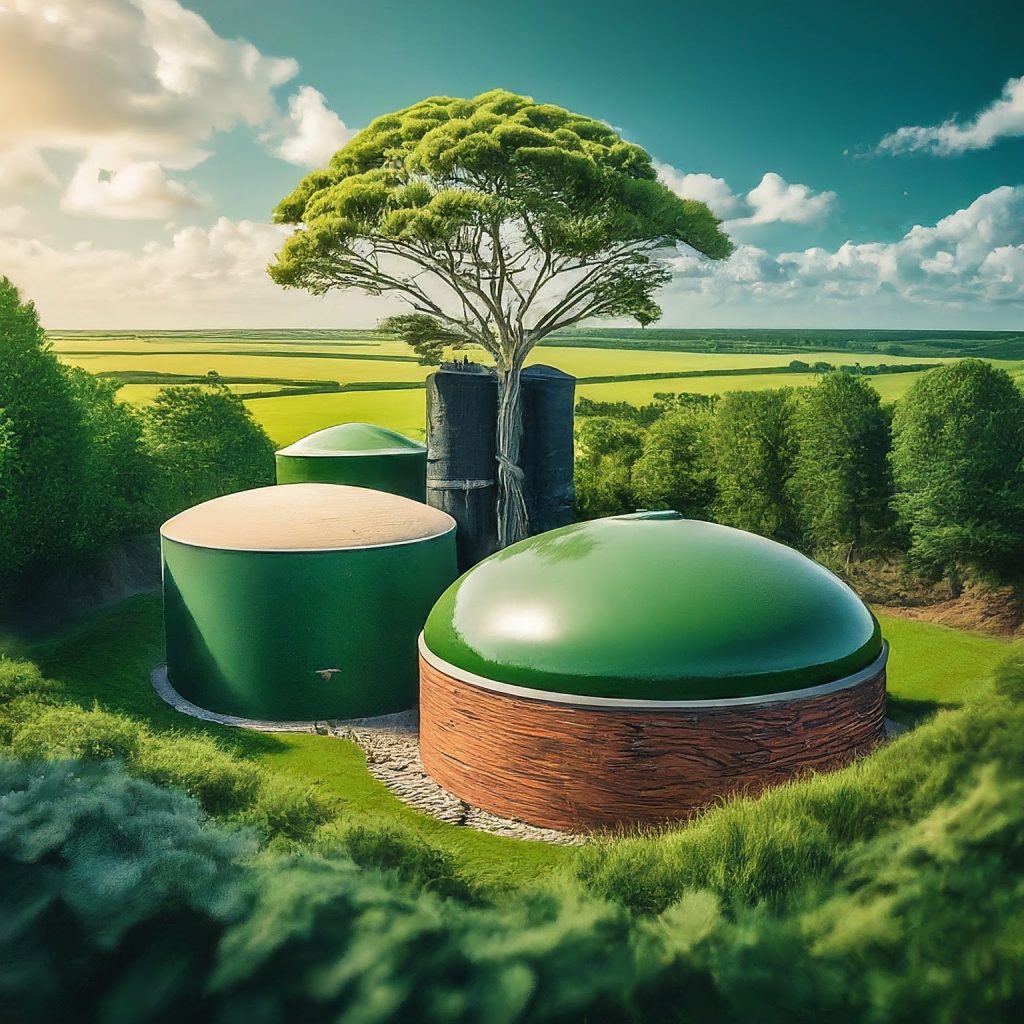
What is a biodigester?
A biodigester is a type of biogas generator that processes organic waste in a controlled environment to produce biogas and a nutrient-rich digestate, which can be used as fertilizer. Biodigesters are particularly effective in waste management, providing a sustainable way to dispose of organic waste while generating valuable byproducts.
Biodigesters, which are specialized forms of biogas generators, use organic waste to produce biogas and digestate it. Digestate is then used as fertilizer, improving soil health and productivity while providing renewable energy sources as well as organic fertilizer. Biodigesters have become an invaluable asset to waste management operations, helping to manage organic waste while simultaneously providing sustainable renewable energy sources as well as organic fertilizer sources.
What is a biogas generator?
These systems produce biogas through the anaerobic digestion of organic matter. The resulting biogas can be used for heating, electricity generation, and as a fuel for vehicles. Biogas generators are versatile and can be implemented on various scales, from small household units to large industrial plants.
Biogas generators are systems designed to produce biogas, which is composed of methane (CH4) and carbon dioxide (CO2), through anaerobic digestion of organic materials in the absence of oxygen. This process breaks down wastes such as agricultural waste, manure, municipal waste, plant material wastes, sewage, or food waste through microorganism breakdown processes that occur without oxygen exposure. Once produced, this biogas can be utilized for various applications, including electricity generation, heating, or as fuel for vehicles.
Together, biogas generators and biodigesters represent a promising solution for achieving a sustainable energy future. They not only help reduce waste and greenhouse gas emissions but also provide a reliable and renewable source of energy, contributing to global efforts to create a cleaner and more sustainable world.
Historical Background and Development
Biogas production dates back to ancient civilizations, when people noticed how organic matter produced flammable gas. But serious scientific study and practical implementation of biogas technology only began during the 17th century. Here are some key milestones:
17th century: Jan Baptista Van Helmont, a Flemish chemist, noticed that decaying organic matter could produce flammable gases. 19th century: Biogas became practical for cooking and lighting in India and China, where small-scale biogas plants were installed to produce biogas for domestic purposes.
Early 20th Century: Europe was at the forefront of the development of large-scale biogas plants, beginning with Mumbai, India’s biogas plant, being constructed in 1904 and Matunga, India’s biogas plant, being established two years later, in 1921.
Mid-20th Century: Biogas technology gained significant attention during World War II due to fuel shortages. Postwar, research and development in this field continued apace, particularly across Europe and Asia.
Late 20th Century to Present: Advancements in technology, increased environmental awareness, and the push towards renewable energy sources have resulted in wide adoption and innovation of biogas technology. Today, biogas generators and digesters are used globally for waste management as well as renewable energy production.

Key Differences Between Biogas Generators and Biodigesters
While biogas generators and biodigesters are often used interchangeably, they have some distinct differences:While biogas generators and biodigesters are often used interchangeably, they have some distinct differences:
Purpose
Biogas Generators: Originally, they were primarily utilized to generate biogas for the generation of electricity, heat, and fuel.
Biodigesters aim at the production of biogas and waste disposal, with the end products being biogas for use and a nutrient-rich digestate to use as manure.generators
Design and Operation
Biogas generators may be simple built-in fixtures in houses or systems in industries and can be of various designs. It is sometimes characterized by attempts to get the highest possible volume of biogas.
Biodigesters are normally constructed with the aim of efficiently handling waste and, in the process of producing various fertilizers, good digestion of organic waste and high quality of the digestate.
Applications:
Biogas generators are frequently employed in environments where the main focus is on the generation of clean energy, like factories or thermal power stations.
Biodigesters are commonly applied at agricultural facilities, in rural regions, and in municipalities with concern for waste management and environmentally friendly agriculture.
Out of these differences, stakeholders can opt for the most suitable technology for the required application, say, renewable energy generation, waste disposal, or the agriculture field.
How Biogas Generators Work
Components of a Biogas Generator
A biogas generator typically consists of the following components:
- Feedstock Inlet: The entry point where organic waste materials are added to the system.
- Digestion Tank (Digester): The main chamber where anaerobic digestion takes place. This tank is airtight to maintain an oxygen-free environment necessary for anaerobic microorganisms to thrive.
- Mixer or Agitator: This ensures that the feedstock is evenly distributed and prevents the formation of scum or sediment layers within the digester.
- Heating System: Maintains an optimal temperature for microbial activity, usually between 35 and 40 °C (mesophilic conditions) or 50 and 60 °C (thermophilic conditions).
- Biogas Storage: A gas holder or storage tank that collects and stores the produced biogas for later use.
- Effluent Outlet: The exit point for the digestate, the remaining byproduct after biogas production, which can be used as fertilizer.
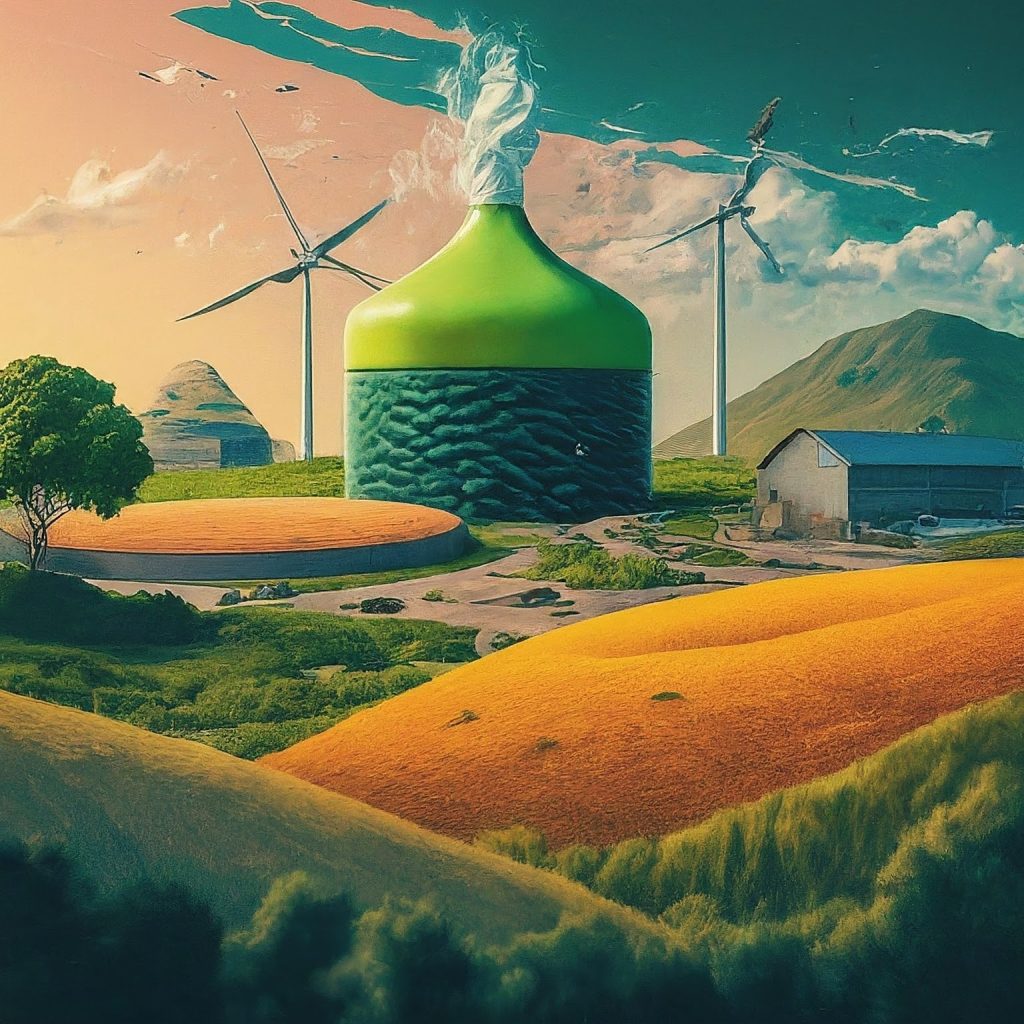
The Biogas Production Process
Feedstock Preparation: Organic materials are collected and may be pretreated (e.g., shredding or mixing) to enhance the digestion process.Feeding: Prepared feedstock is introduced into the digestion tank through the feedstock inlet.Anaerobic Digestion: Microorganisms break down organic matter in the absence of oxygen, producing biogas and digestate. The process occurs in four stages:
- Hydrolysis: Complex organic compounds are broken down into simpler compounds.
- Acidogenesis: Simple compounds are converted into volatile fatty acids.
- Acetogenesis: Volatile fatty acids are further broken down into acetic acid, hydrogen, and carbon dioxide.
- Methanogenesis: Methanogenic archaea convert acetic acid, hydrogen, and carbon dioxide into methane (CH2) and carbon dioxide (CO2).
Biogas Collection: The produced biogas rises to the top of the digestion tank and is stored in the biogas storage unit.
Effluent Removal: The digestate is removed from the effluent outlet and can be used as an organic fertilizer.
Types of Feedstock Used
Biogas generators can utilize various types of organic feedstock, including:Biogas generators can utilize various types of organic feedstock, including:
- Organic farming waste (crop remains, animal droppings)
- Solid waste (left-over foods, spoiled foods, etc)
- Solid waste (slaughter house waste, dairy processing waste)
- Sewage sludge
- Liquids such as grass cuttings and leaves
Examples of Biogas Applications
- Agricultural Operations: This case involves the utilization of biogas generators to treat animal dung and crop residues for the generation of heat and electricity, while the slurry output can be used for fertilization of fields.
- Municipal Waste Management: Biogas generators are used by cities and other municipalities in order to dispose of organic waste. The waste generated by households is first turned into biogas, then used to produce electricity.
- Industrial Facilities: Biogas generators are also used in food processing plants and breweries to compost organic waste while at the same time obtaining energy.
- Rural Communities: Small-scale biogas generators offer an effective means for renewable energy use in the form of light and cooking, hence improving energy demand and supply.
Understanding Biodigesters
It typically includes:
- Feedstock Inlet: The entry point for organic waste materials.
- Digestion Chamber: This is the main chamber where anaerobic digestion occurs.
- Mixing Mechanism: Ensures uniform distribution of the feedstock.
- Heating System: Maintains the temperature required for effective digestion.
- Gas Storage: Collects and stores the biogas produced.
- Digestate Outlet: The exit point for the digestate, which can be used as fertilizer.
The Anaerobic Digestion Process
- Feedstock Preparation: Organic waste is collected and, if necessary, pretreated.
- Feeding: The prepared feedstock is introduced into the digestion chamber.
- Anaerobic Digestion: The process is the same as in biogas generators, involving hydrolysis, acidogenesis, acetogenesis, and methanogenesis.
- Biogas Collection: The biogas produced rises to the top of the chamber and is stored in the gas storage unit.
- Effluent Removal: The digestate is removed from the digestate outlet and used as fertilizer.
Types of Feedstock
Biodigesters can process a variety of organic materials, including:
- Animal manure
- Food waste
- Agricultural residues
- Sewage sludge
- Plant material
Applications
- Agricultural Use: Biodigesters on the farm are used for the handling of animal wastes and crop residues, converting them into biogas for energy and digested slurry for soil improvement.
- Community Projects: Biodigesters are installed in rural areas to manage people’s organic waste as well as produce biogas for lighting and cooking.
- Municipal Systems: The biodigesters are applied in cities that cover a part of municipal waste organically and, at the same time, produce renewable energy instead of going to landfills.
- Industrial Use: Many food processing plants and dairies have biodigesters to handle organic waste and, at the same time, generate biogas for use in the company.
By understanding the components, processes, and applications of biogas generators and biodigesters, stakeholders can effectively implement these technologies to harness renewable energy, manage waste, and promote sustainability.
Benefits
Environmental Benefits
- Reduction in greenhouse gas emissions: Reduction in greenhouse gas Emissions:
- Methane Capture: Biodigesters and biogas generators also collect methane, which is a very dangerous greenhouse gas that would otherwise have been found in the atmosphere from decomposing organic waste.
- Carbon Neutrality: The consumption of biogas as a source of energy hence reduces the amount of fossil energy that is being used, resulting in a decrease in the emissions of carbon.
- Nutrient Recycling: The digestate that is obtained can further be utilized as organic manure, eliminating the need for chemical fertilizers that, in their manufacturing process as well as during application, release gases that are believed to have greenhouse impacts.
Waste Management Solutions:
- ResidualsOrganic Waste Utilization: These systems efficiently treat different kinds of organic wastes, such as agricultural residuals, food wastes, and sewage sludge, thereby minimizing environmental pollution and waste disposed of in landfills.
- Odor Control: Well-maintained anaerobic digestion systems ensure that odors emitted when decomposing waste are controlled, ensuring the improvement of air quality and minimizing nuisances to neighboring communities.
- Pathogen Reduction: This process achieved some level of decontamination for pathogens in organic waste, hence making the handling and utilization of the digestate safer.
Economic Benefits
- Energy Production: Biogas could be utilized for the generation of electricity and heat, thus cutting down on expenditures on energy for family homes, farms, and industrial plants.
- Waste Disposal Costs: Biogas and digestate produced from organic waste can be used to cut expenditure on waste disposal and utilization of landfill facilities by businesses and municipalities.
- Fertilizer Savings: Since the nutrient-rich digestate contains organic compounds, it can act as a supplement or replace the commercial fertilizers that are used in farming, which can greatly reduce the costs that farmers have to incur.
- Local Energy Production: Biogas generators and biodigesters allow communities and companies to generate their own energy, thereby increasing self-sufficiency as a measure of energy security.
- Stable Energy Prices: This way, the users are being shielded from volatile fossil fuel prices from the common utility company by using locally produced renewable energy.
Social Benefits
- Renewable Energy Sector: Biogas systems trough designing, constructing, operating, and maintaining processes provide employment in the renewable energy field.
- Agricultural Employment: Digestate as a fertilizer can enhance productivity in farming hence spurring farming jobs, and growth of the rural economy.
- Technology and Innovation: It can therefore be concluded that biogas technology facilitates scientific research and development pertaining to science, engineering, and techology horizons.
Community Development
- Energy Access: The small-scale usage of biogas generators and biodigesters will help improving the lifestyle of people in rural area and remote villages which will enhance the economy of developing nations.
- Environmental Stewardship: The people in the communities that have adopted the technology of biogas can set pace in formation of policies aimed at conserving the environment for sustainability.
- Educational Opportunities: With an effective implementation of the biogas projects, it is also a way to establish awareness creation on the renewable energy sources and sustainable uses among the community.
By leveraging the environmental, economic, and social benefits of biogas generators and biodigesters, individuals, businesses, and communities can contribute to a more sustainable and resilient future.
Future Prospects
Trends in Renewable Energy
The renewable energy segment is currently one of the zones of fastest growth due to the climate change issue, the increased level of emissions of greenhouse gases, and the need to shift to sustainable sources of energy. Biogas generators and biodigesters are therefore gaining recognition as fundamental elements of this change. Biogas technology is expected to become one of the pillars of renewable energy as governments and organizations set high goals for the use of renewable energy sources. The ongoing programs like policies and incentives for the promotion of biogas systems for development and deployment are likely to be encouraged by many organizations from different sectors like agriculture, waste management, and energy production.
Innovations in Biogas Technology
There has been development and invention in technology, which has affected the improvement of biogas generators and biodigesters. Advancements in feedstock preparation, title selection, and process control are increasing biogas potential and system efficiency. At the same time, the processes connected with the combination of biogas systems with the application of solar and wind technologies lead to hybrid systems that would provide users with a higher level of security against failures and blackouts. Advancements in the technologies of biogas upgrading are also increasing the possibilities of producing good biomethane that can be incorporated in natural gas systems or utilized as motor fuel, thus increasing the use and applicability of biogas.
Potential for Growth in Different Regions
The expansion of the technology of biogas ultimately depends on the characteristics of the feed stock, legislation, and the economic returns of the business in the area. In areas where farming is practiced widely, like the developed countries in the Americas, Europe, and parts of Asia, biogas systems act as a renewable energy source and method of transforming agricultural waste.
At the country level, the use of small-scale biodigesters in developing countries will improve the level of energy access existing in rural areas and, at the same time, reduce the dependency on traditional biomass energy sources. Biogas technology also promises a solution within the spheres of interest for large cities determined by the need for the utilization and effective disposal of organic municipal waste.
Role in Achieving Global Sustainability Goals
Biogas generators and biodigesters are essential to the overall provision of sustainable development and worldwide sustainable development goals such as the UNSDGs. They also supplement SDG 7 (Affordable and Clean Energy) by offering a clean source of energy that is also reliable. They relate to SDG 12 (Responsible Consumption and Production) as they encourage environmentally friendly waste disposal and minimize landfill disposal.
Thus, by curbing greenhouse gas emissions, they also support the third sustainability development goal, which is climate action. In addition, biogas technology empowers the creation of employment and the development of communities, which naturally fall under the tags of SDG 8 and SDG 11, respectively. Therefore, the systems presented, among others within the range of biogas, present themselves as a wide-ranging and highly effective means of approaching the numerous issues of our world today.
How to Get Started with
Initial Considerations and Planning
Decisions to start with biogas generators must engage a lot of analysis and thinking. The best start point is thus to determine the type and quality of organic waste expected as feed stock. It will assist in arriving at the size and layout of the biogas plant erected to produce the biogas. The sub-process, to evaluate your energy needs and the possible uses of the produced biogas and digestate is as follows. Local climate should also be taken into consideration as temperature varies which influences the anaerobic digestion.
Also, study the specific guidelines of the place the business will be established in and acquire permits if there is a need since environmental and safety standards are very important. In addition, to identifying stakeholders, it is advisable to involve them right from the time of development of the project due to increased chances of success.
Choosing the Right Equipment
Selecting the appropriate equipment is essential for the efficient and effective operation of a biogas system. Factors to consider include the type and volume of feedstock, desired biogas output, and available space. For small-scale applications, such as household or small farm use, compact and modular biodigesters may be suitable. Larger operations, such as industrial or municipal systems, might require more complex and scalable biogas generators. Look for equipment from reputable manufacturers that offer warranties and technical support. It’s also important to choose systems that can be easily integrated with existing infrastructure and are designed for the specific environmental conditions of your location.
Installation and Maintenance Tips
Proper installation is critical for the successful operation of biogas generators and biodigesters. Ensure the system is installed on a stable and level surface, protected from extreme weather conditions. Follow the manufacturer’s guidelines and, if necessary, hire experienced professionals for installation. Regular maintenance is key to maximizing efficiency and longevity. This includes monitoring the feedstock quality and quantity, checking for leaks or blockages, and maintaining optimal temperature and pH levels within the digester. Periodically inspecting mechanical components, such as mixers and pumps, is also essential. Developing a maintenance schedule and keeping detailed records can help identify and address issues promptly, preventing costly downtime.
Resources for Further Learning
Numerous resources are available to help you learn more about biogas technology and ensure the success of your project. Industry associations, such as the American Biogas Council and the European Biogas Association, offer valuable information, including best practices, case studies, and industry news. Online courses and webinars from universities and research institutions can provide in-depth knowledge on the technical and operational aspects of biogas systems. Books and academic journals on renewable energy and anaerobic digestion are also excellent sources of information. Additionally, connecting with experts and participating in forums or conferences can provide practical insights and support from experienced practitioners in the field.
Conclusion
Biogas generators and biodigesters play a crucial role in the shift towards renewable energy, offering significant environmental, economic, and social benefits. By efficiently converting organic waste into valuable biogas and nutrient-rich digestate, these systems help reduce greenhouse gas emissions, manage waste sustainably, and provide cost-effective energy solutions.
The adoption of biogas technology supports global sustainability goals and enhances energy security for communities and industries alike. As the urgency to combat climate change intensifies, it’s imperative to embrace renewable energy solutions like biogas generators and biodigesters.
These technologies not only address pressing environmental issues but also contribute to economic growth and community development. Looking ahead, the continued innovation and expansion of biogas technology will be instrumental in achieving a sustainable and resilient energy future. Let’s take decisive steps today to integrate biogas systems into our energy strategies, paving the way for a cleaner, greener, and more sustainable world.
Leave a Reply