The anaerobic digestion process is pivotal in the transition to sustainable energy solutions. With the growing global energy crisis, finding renewable sources like bioenergy is crucial. Anaerobic digestion, a method that decomposes organic materials in the absence of oxygen, plays a significant role in waste management and energy production. This introduction explores the importance of bioenergy in the current energy landscape, the principles of anaerobic digestion, and its potential to revolutionize the way we approach renewable energy.
The Science Behind Anaerobic Digestion Process
Anaerobic digestion is the process in which organic substrate is converted in the absence of oxygen into biogas and digested by microbes. Anaerobic digestion is a process that involves the usage of microorganisms to decompose organic products in environments that do not contain oxygen to produce methane and carbon dioxide in the form of biogas and a nutrient-rich substance known as digestate. This process closely emulates natural matter degradation in that it occurs without exposure to oxygen, unlike the usual natural conditions for waste treatment and renewable energy production. The science behind anaerobic digestion can be divided into several stages: hydrolysis, acidogenesis, acetogenesis, and methanogenesis processes, which involve different microorganisms and different chemical reactions.
Biological and Chemical Processes
The anaerobic digestion process involves several biochemical stages: hydrolysis, acidogenesis, acetogenesis, and methanogenesis. Each stage is facilitated by specific microbial communities, transforming organic waste into valuable biogas, a primary form of bioenergy. During hydrolysis, complex organic materials such as carbohydrates, proteins, and fats are broken down into simpler molecules like sugars, amino acids, and fatty acids. Acidogenesis further breaks these down into volatile fatty acids, alcohols, and gases.
Acetogenesis converts these products into acetic acid, carbon dioxide, and hydrogen. Finally, methanogenesis produces methane and carbon dioxide, the main components of biogas. Understanding these processes is essential for optimizing the anaerobic digestion process and maximizing biogas production.
Types of anaerobic digestion process
There are various anaerobic digestion systems, including batch and continuous systems, wet and dry digestion, and mesophilic versus thermophilic digestion. Each system has its unique benefits and applications, making the anaerobic digestion process versatile. Batch systems process waste in discrete batches, while continuous systems process waste continuously, offering higher efficiency and stability. Wet digestion systems handle feedstock with high moisture content, whereas dry digestion systems are suitable for feedstock with lower moisture content.
Mesophilic digestion operates at moderate temperatures, while thermophilic digestion occurs at higher temperatures, offering faster digestion rates and pathogen destruction. Selecting the appropriate system depends on the specific needs and conditions of the operation.
Factors Affecting the anaerobic digestion process
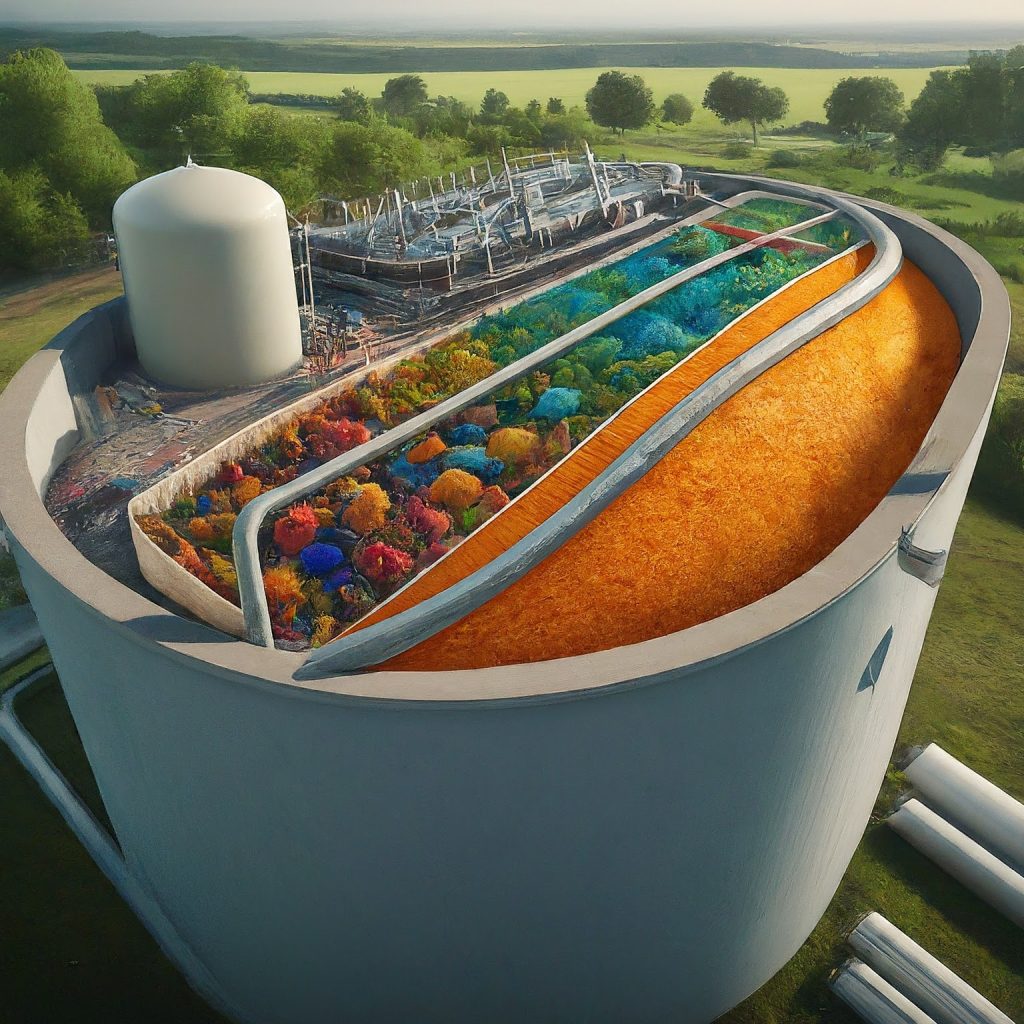
Several factors influence the efficiency of the anaerobic digestion process, such as temperature, pH levels, retention time, and substrate composition. Optimizing these conditions is crucial for maximizing bioenergy output. Temperature affects the metabolic rates of the microorganisms involved, with mesophilic and thermophilic conditions each having their advantages. pH levels influence microbial activity, with an optimal range typically between 6.8 and 7.2.
Retention time, or the time the substrate remains in the digester, impacts the extent of decomposition and biogas production. The composition of the substrate, including its carbon-to-nitrogen ratio, affects the overall efficiency of the process. Properly managing these factors can enhance the performance and stability of the anaerobic digestion system.
Feedstock for anaerobic digestion process
Types of Feedstock
The anaerobic digestion process can utilize a variety of feedstocks, including agricultural waste, municipal solid waste, industrial waste, sewage sludge, and energy crops. Each feedstock has unique properties affecting its biodegradability and energy potential. Agricultural waste, such as manure and crop residues, is abundant and rich in organic matter. Municipal solid waste includes household and commercial organic waste, offering significant potential for biogas production.
Industrial waste, including food processing and brewery waste, provides high-energy substrates. Sewage sludge from wastewater treatment plants is another valuable feedstock, while energy crops like maize and grass are specifically grown for biogas production. Understanding the characteristics of different feedstocks is essential for designing and operating effective anaerobic digestion systems.
Characteristics of Ideal Feedstock
Ideal feedstock for the anaerobic digestion process should have high biodegradability, a balanced nutrient profile, appropriate moisture content, and optimal particle size. These characteristics enhance the efficiency and bioenergy yield. High biodegradability ensures that the feedstock can be easily broken down by microorganisms, resulting in higher biogas production.
A balanced nutrient profile, particularly the carbon-to-nitrogen ratio, supports microbial growth and activity. Appropriate moisture content, typically around 70-85%, ensures efficient microbial digestion and prevents issues such as foaming and scum formation. Optimal particle size increases the surface area available for microbial attack, speeding up the digestion process. Selecting and preparing the right feedstock is crucial for maximizing the efficiency and output of the anaerobic digestion process.
Pre-treatment Methods
Pre-treating feedstock through mechanical, thermal, chemical, or biological methods can significantly improve the anaerobic digestion process. These pre-treatments break down complex materials, making them more accessible for microbial digestion. Mechanical pre-treatments, such as grinding and shredding, reduce particle size and increase surface area.
Thermal pre-treatments, including pasteurization and steam explosion, break down complex molecules and kill pathogens. Chemical pre-treatments use acids, alkalis, or oxidizing agents to enhance biodegradability. Biological pre-treatments involve using specific enzymes or microorganisms to degrade complex organic matter. Pre-treating feedstock can enhance biogas yield, reduce retention time, and improve the overall efficiency of the anaerobic digestion process.
Anaerobic Danaerobic digestion process and Systems
Small-Scale Systems
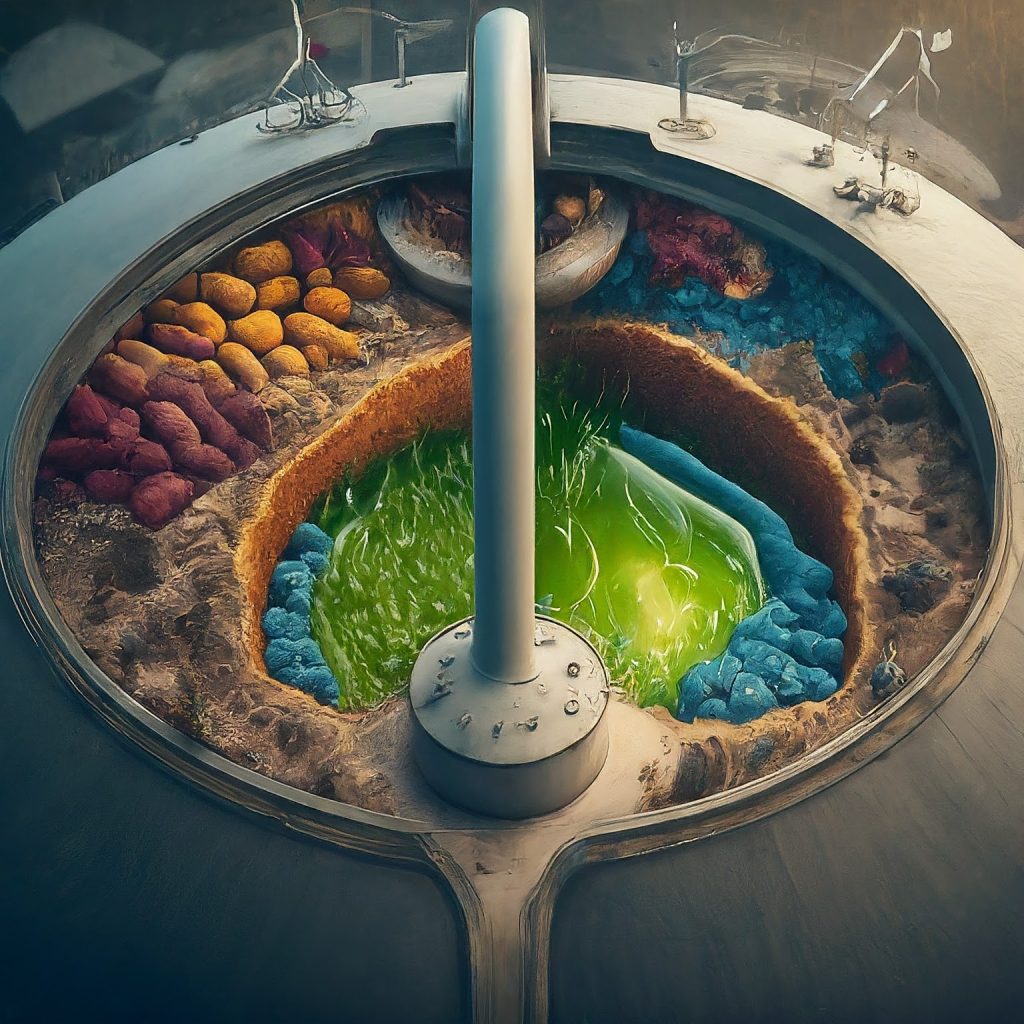
Small-scale anaerobic digestion systems are suitable for households and farms. These systems are designed for simplicity and efficiency, allowing individuals to convert organic waste into bioenergy. Small-scale systems typically include household digesters, which can process kitchen waste and animal manure, and farm-scale digesters, which handle agricultural waste.
These systems provide renewable energy for cooking, heating, and electricity generation, reducing reliance on conventional energy sources. They also contribute to waste management and nutrient recycling, enhancing sustainability at the local level. Small-scale anaerobic digestion systems offer a practical and accessible solution for rural and remote areas, promoting energy independence and environmental stewardship.
Medium-Scale Systems
Medium-scale anaerobic digestion systems are used in community and cooperative settings. They provide economic and environmental benefits by managing waste locally and producing renewable bioenergy. Medium-scale systems typically process organic waste from multiple households, farms, or small businesses, offering a cost-effective solution for waste management and energy production.
These systems can be integrated into community projects, cooperatives, and eco-villages, promoting collective sustainability efforts. Medium-scale anaerobic digestion systems support local economies, reduce waste transportation costs, and contribute to community resilience by providing a stable and renewable energy source.
Large-Scale Systems
Large-scale anaerobic digestion systems are implemented in industrial and municipal settings. These systems integrate with existing waste management infrastructure, significantly contributing to sustainable energy solutions. Large-scale systems can process vast amounts of organic waste, including municipal solid waste, industrial by-products, and sewage sludge.
They are equipped with advanced technologies for feedstock pre-treatment, biogas purification, and digestate management. Large-scale anaerobic digestion systems produce substantial quantities of biogas, which can be used for electricity generation, heat production, and upgrading to biomethane. They also reduce landfill use, lower greenhouse gas emissions, and provide valuable by-products such as digestate for soil amendment. These systems play a critical role in urban waste management and renewable energy production, supporting the transition to a circular economy.
Innovative and Emerging Technologies
Advancements in the anaerobic digestion process, such as co-digestion and integrated biogas systems, are enhancing efficiency and expanding the potential applications of bioenergy. Co-digestion involves processing multiple feedstocks together, improving nutrient balance and biogas yield. Integrated biogas systems combine anaerobic digestion with other renewable energy technologies, such as solar and wind, to optimize energy production and resource utilization.
Innovations in digester design, such as improved mixing and heating systems, enhance microbial activity and biogas output. Emerging technologies, including advanced monitoring and control systems, enable real-time optimization of the anaerobic digestion process. These advancements are driving the evolution of anaerobic digestion, making it a more efficient and versatile solution for bioenergy production.
Bioenergy Production and Utilization
Biogas Composition and Properties
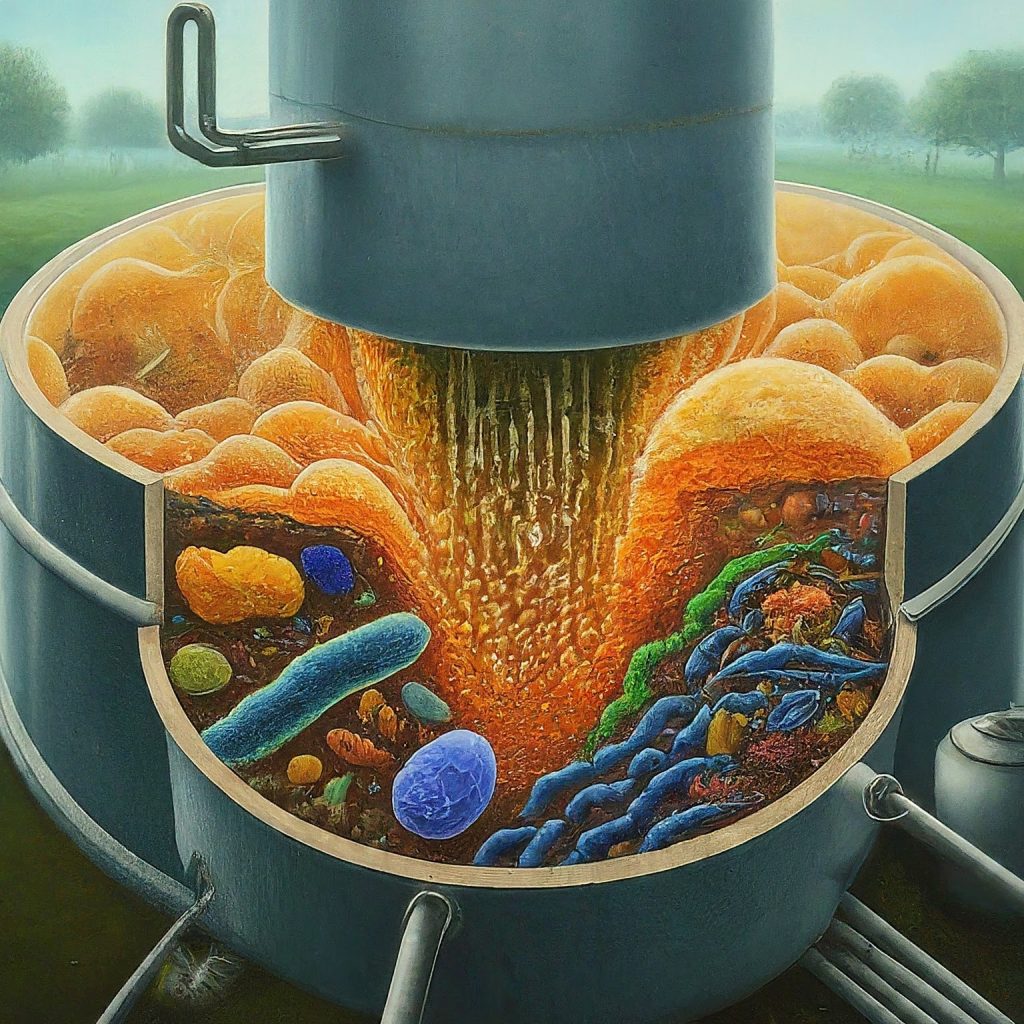
Biogas produced through the anaerobic digestion process primarily consists of methane (50-75%) and carbon dioxide (25-50%). It also contains small amounts of impurities such as hydrogen sulfide, ammonia, and siloxanes. Methane is the main energy component of biogas, providing a high calorific value. The presence of impurities affects biogas quality and can cause issues in utilization equipment. Therefore, biogas purification processes are employed to remove these impurities, enhancing its suitability for various applications. Understanding the composition and properties of biogas is crucial for optimizing its production and utilization.
Biogas Utilization
Biogas can be utilized in multiple ways: electricity generation, heat production, combined heat and power (CHP) systems, and upgrading to biomethane for vehicle fuel. These applications make the anaerobic digestion process a versatile tool for bioenergy production. Electricity generation involves using biogas in gas engines or turbines to produce electricity, which can be fed into the grid or used on-site.
Heat production utilizes biogas in boilers or burners for space heating, water heating, or industrial processes. CHP systems simultaneously produce electricity and heat from biogas, maximizing energy efficiency. Upgrading biogas to biomethane involves removing impurities and increasing methane concentration, making it suitable for injection into natural gas grids or as a vehicle fuel. These diverse applications enhance the value and impact of biogas as a renewable energy source.
Digestate Management and Utilization
The anaerobic digestion process produces digestate, a nutrient-rich byproduct. Digestate contains organic matter, nitrogen, phosphorus, potassium, and other essential nutrients, making it a valuable fertilizer for agriculture. Proper management and utilization of digestate improve soil health, enhance crop yields, and reduce the need for synthetic fertilizers. Digestate can be applied to fields as a liquid or solid fertilizer, depending on its composition and local regulations. Advanced treatment methods, such as composting and drying, can further enhance the quality and stability of digestate. Effective digestate management contributes to the sustainability of the anaerobic digestion process, closing the nutrient loop and supporting circular agriculture.
What is anaerobic digestion food processing?
Anaerobic digestion in food processing refers to the biological process where organic materials, particularly food waste generated during food production, distribution, and consumption, are broken down by microorganisms in the absence of oxygen. This process is highly efficient in converting organic waste into biogas, a renewable energy source, while also producing valuable by-products like digestate for agricultural use.
Food processing facilities generate a significant amount of organic waste, including trimmings, peelings, expired products, and wastewater rich in organic matter. Anaerobic digestion provides an environmentally sustainable solution for managing this waste by harnessing its energy potential and minimizing its environmental impact.
The anaerobic digestion process begins with the collection and preparation of food waste, which is shredded or homogenized to facilitate microbial digestion. In anaerobic digesters, microorganisms, primarily bacteria and archaea, metabolize the organic matter through a series of biochemical reactions. These reactions occur in distinct stages: hydrolysis, acidogenesis, acetogenesis, and methanogenesis.
During hydrolysis, complex organic compounds such as carbohydrates, proteins, and lipids are broken down into simpler molecules like sugars, amino acids, and fatty acids. Acidogenesis further converts these molecules into volatile fatty acids, alcohols, and gases like hydrogen and carbon dioxide. Acetogenesis then produces acetic acid, which is a precursor to methane production in the final stage of methanogenesis.
Methanogenic archaea convert the intermediate products from earlier stages into methane (CH4) and carbon dioxide (CO2), which collectively form biogas. Biogas is composed primarily of methane (typically 50-75%) and carbon dioxide (25-50%), with trace amounts of other gases such as hydrogen sulfide and ammonia. The composition of biogas can vary depending on the feedstock and process conditions.
Once produced, biogas can be utilized in several ways to generate renewable energy. It can be burned directly in a gas engine or turbine to produce electricity and heat, which can be used onsite or exported to the grid. Combined heat and power (CHP) systems maximize energy efficiency by utilizing biogas for both electricity and heat production simultaneously. Biogas can also be upgraded to biomethane through purification processes, making it suitable for injection into natural gas grids or as a vehicle fuel.
Aside from energy production, anaerobic digestion process in food processing generates digestate as a valuable by-product. Digestate retains much of the nutrients from the original food waste, including nitrogen, phosphorus, potassium, and organic matter. It serves as an excellent soil conditioner and fertilizer, improving soil structure, enhancing nutrient retention, and promoting crop growth. Digestate can be applied to agricultural land as a liquid or solid fertilizer, providing a sustainable alternative to synthetic fertilizers and completing the nutrient cycle.
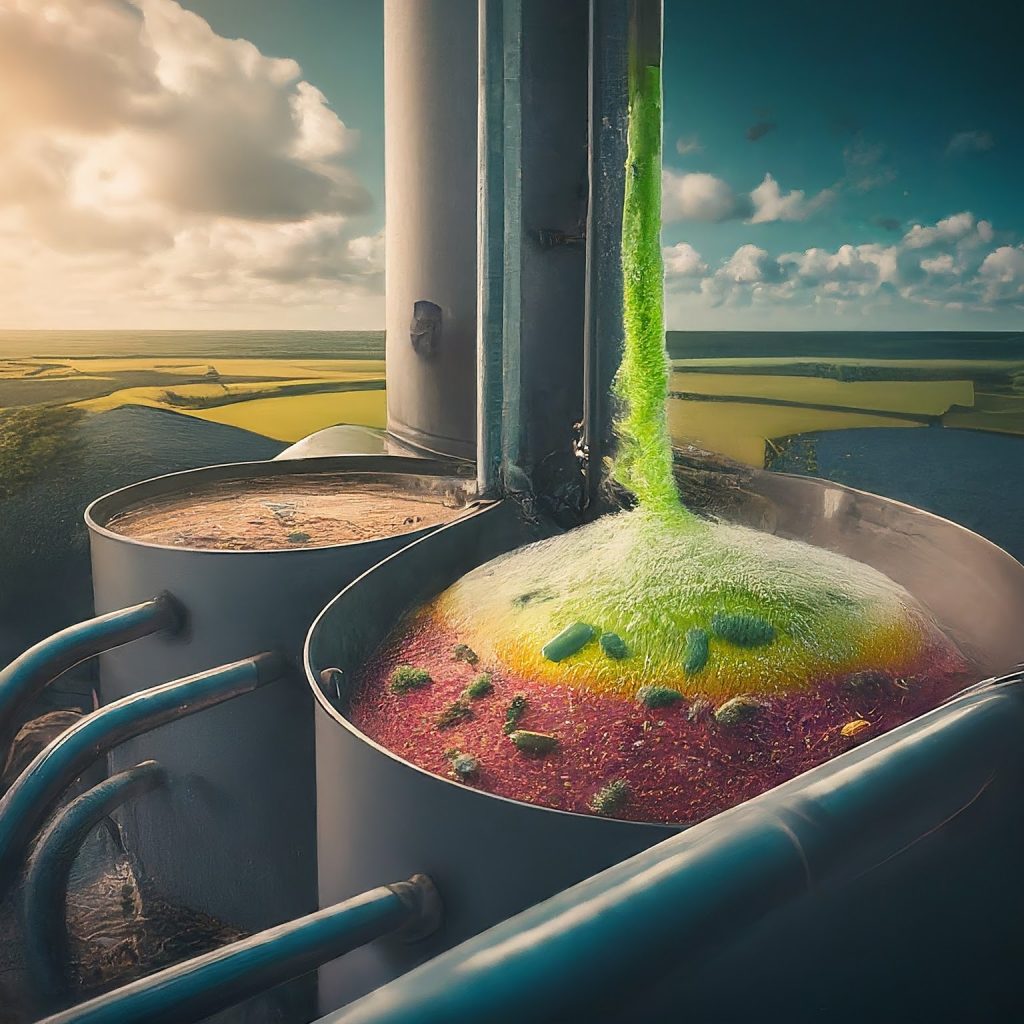
Implementing anaerobic digestion process in food processing facilities offers numerous environmental and economic benefits. It reduces greenhouse gas emissions by capturing methane, a potent greenhouse gas, and displacing fossil fuels with renewable biogas. It also mitigates odors and potential groundwater contamination associated with food waste disposal. Economically, anaerobic digestion reduces waste management costs, generates revenue from biogas sales or energy savings, and enhances the facility’s sustainability credentials.
In conclusion, anaerobic digestion process in food processing represents a sustainable solution for managing organic waste while producing renewable energy and nutrient-rich fertilizer. By converting food waste into biogas and digestate through microbial digestion, this process supports environmental stewardship, resource efficiency, and sustainable agriculture practices in the food industry.
What is the meaning of bioenergy energy?
“Bioenergy energy” is a somewhat redundant phrase because “bioenergy” itself refers to energy derived from biological sources. Let’s break down the meaning and implications of bioenergy in a comprehensive manner.
Bioenergy energy is a form of renewable energy derived from biological materials or biomass. It encompasses various sources such as organic residues, energy crops, and agricultural, forestry, and municipal wastes. The fundamental principle behind bioenergy lies in harnessing the stored energy within organic materials through processes like combustion, fermentation, or anaerobic digestion. This energy can then be converted into heat, electricity, or biofuels, offering a versatile and sustainable alternative to fossil fuels.
One of the key advantages of Bioenergy energy is its potential to mitigate climate change by reducing greenhouse gas emissions. Unlike fossil fuels, which release carbon dioxide and other pollutants when burned, bioenergy sources like biomass absorb carbon dioxide during their growth phase, creating a closed carbon cycle when used for energy production. This carbon neutrality makes bioenergy an attractive option for reducing overall carbon emissions and transitioning towards a low-carbon economy.
The versatility of Bioenergy energy is another significant aspect. It can be deployed across various sectors, including heat and power generation, transportation fuels, and industrial processes. Biomass power plants, for instance, use organic materials to produce electricity and heat, providing a reliable energy source that complements intermittent renewables like solar and wind. Biofuels derived from biomass, such as ethanol and biodiesel, offer cleaner alternatives to conventional gasoline and diesel, reducing air pollutants and enhancing energy security.
Furthermore, Bioenergy energy contributes to sustainable development by promoting rural economies and enhancing energy access in remote areas. Biomass production and processing create jobs in agriculture, forestry, and bioenergy industries, supporting local communities and diversifying rural economies. In developing regions, bioenergy can provide decentralized energy solutions, improving livelihoods and reducing dependency on imported fuels.
However, the deployment of bioenergy is not without challenges and considerations. The sustainable sourcing of biomass is critical to avoid adverse environmental impacts, such as deforestation, soil degradation, and competition with food production. Effective land use planning, sustainable agricultural practices, and biodiversity conservation measures are essential to ensure the long-term viability of bioenergy projects.
Technological advancements and innovation play a crucial role in enhancing the efficiency and sustainability of bioenergy production. Research focuses on improving bioenergy energy conversion technologies, optimizing energy yields, and developing advanced biofuels with lower lifecycle greenhouse gas emissions. Integrated biorefineries that produce multiple products from biomass, such as fuels, chemicals, and materials, represent a promising approach to maximize resource utilization and economic viability.
Policy frameworks and regulatory support are also pivotal in fostering the growth of bioenergy markets. Governments worldwide implement incentives, subsidies, and renewable energy targets to incentivize investment in bioenergy projects and create a favorable market environment. International cooperation and knowledge sharing facilitate the exchange of best practices and standards, promoting global adoption of sustainable bioenergy solutions.
In conclusion, Bioenergy energy represents a renewable energy solution that leverages biological resources to meet diverse energy needs while mitigating climate change and supporting sustainable development goals. By advancing technological innovation, promoting sustainable practices, and implementing supportive policies, bioenergy can play a significant role in shaping a cleaner, more resilient energy future for societies worldwide.
Leave a Reply