In the quest for a sustainable future, **Achieving SDG 7: The special issue of *Sustainable Energy & Fuels: Advancements in Sustainable Energy & Fuels for the Green Future* discusses the importance of integrating sustainable energy strategies in achieving SDG 7. This goal focuses on energy that is affordable, available, reliable, clean, and technically accessible to all.
While the global community struggles to respond to the current fundamentals of climate change, energy poverty, and development needs, new technologies and techniques are developed to transform the world’s energy systems. As we examine the technologies of integrated generation renewable energy systems, next generation biofuels, and energy storage, this look into the future considers the technologies that are shaping the ‘new energy world’ that will support human beings in the years to come.
Overview of SDG7
SDG7 is a vital global initiative established by the United Nations in 2015, aiming to ensure access to affordable, reliable, sustainable, and modern energy for all by 2030. Energy is fundamental to almost every major challenge and opportunity the world faces today. It is essential for eradicating poverty, advancing health, providing clean water, and ensuring inclusive and equitable quality education. Without modern energy services, billions of people are deprived of the chance to improve their quality of life, and nations are hindered in their sdg7 development efforts.
Affordable and clean energy is the key to the transformation needed in our societies and economies. SDG7 emphasizes the importance of transitioning from fossil fuels to renewable energy sources, which are more sustainable and environmentally friendly. This transition is crucial for mitigating climate change, reducing greenhouse gas emissions, and promoting sustainable development globally.
The Role of Sustainable Energy in Global Development
Sustainable energy sdg7 is not just about reducing emissions and combatting climate change; it is also about driving social and economic development. Access to sustainable energy enhances economic growth by creating jobs, improving productivity, and fostering innovation. It enables advancements in technology, improves health outcomes by reducing indoor air pollution from traditional cooking fuels, and provides the power needed for education, healthcare, and communication technologies.
Sustainable energy sdg7 also plays a critical role in empowering women and reducing gender inequalities. In many developing countries, women and girls are primarily responsible for collecting traditional fuels like firewood, which is time-consuming and physically demanding. Access to modern energy services frees up time for education and economic activities, contributing to gender equality and empowerment.
The Current State of Energy Access Worldwide
Despite significant progress, approximately 759 million people worldwide still lack access to electricity, with the majority living in sub-Saharan Africa and developing Asia. Additionally, about 2.6 billion people rely on traditional biomass, coal, or kerosene for cooking, leading to severe health problems and environmental degradation. The lack of access to modern energy services perpetuates poverty and limits opportunities for economic and social development. sdg7
In recent years, there has been a growing recognition of the need to address these energy access gaps. Various international initiatives, such as the UN’s Sustainable Energy for All (SE4All) and the International Solar Alliance, have been launched to accelerate progress towards universal energy access. These efforts aim to mobilize the necessary resources, technology, and political will to achieve SDG7 by 2030.
Understanding SDG7
Breakdown of SDG7 Targets
SDG7 consists of several specific targets that provide a clear framework for action:
Universal Access to Modern Energy
By 2030, ensure universal access to affordable, reliable, and modern energy services. This target focuses on extending electricity grids to underserved areas, developing off-grid renewable energy solutions, and promoting clean cooking technologies. Access to modern energy is a prerequisite for economic development, improved health outcomes, and better educational opportunities. sdg7
Increase Global Percentage of Renewable Energy
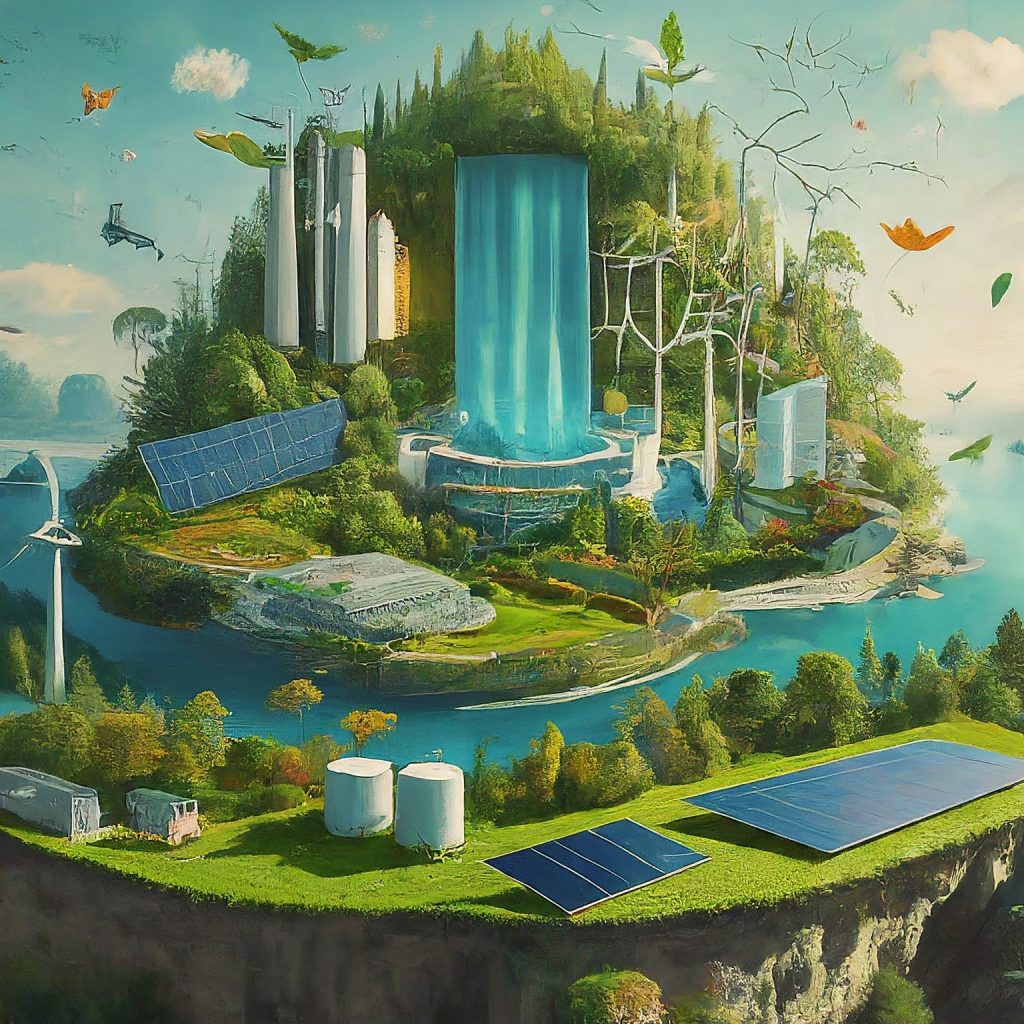
Substantially increase the share of renewable energy in the global energy mix by 2030. Renewable energy sources such as solar, wind, hydro, and geothermal are essential for reducing greenhouse gas emissions and transitioning to a sustainable energy future. Increasing the share of renewables helps diversify the energy supply, enhance energy security, and create new economic opportunities.
Improve Energy Efficiency
By 2030, double the global rate of improvement in energy efficiency. Energy efficiency is crucial for reducing energy consumption, lowering greenhouse gas emissions, and minimizing environmental impacts. This target involves enhancing energy efficiency in various sectors, including buildings, industry, transportation, and consumer products. Improved energy efficiency also translates into cost savings for consumers and businesses.
Importance of Affordable and Clean Energy
Affordable and clean energy is a cornerstone of sustainable development. It supports economic growth by enabling businesses to operate efficiently and competitively. Access to clean energy improves health outcomes by reducing indoor air pollution, which is a significant cause of respiratory diseases in developing countries. Clean energy solutions also contribute to environmental sustainability by reducing greenhouse gas emissions and mitigating climate change impacts. sdg7
Ensuring access to affordable and clean energy is essential for achieving broader sustainable development goals. It is linked to poverty reduction, gender equality, education, health, and sustainable energy & fuels environmental protection. sdg7 Affordable energy services empower communities, enhance productivity, and improve the quality of life for millions of people. Investing in clean energy infrastructure and technologies is crucial for creating a more resilient and equitable world. sdg7
Challenges in Achieving SDG7
Achieving SDG7 presents numerous challenges that require coordinated efforts from governments, the private sector, and civil society. Some of the key challenges include: sustainable energy & fuels
Financial Constraints
Significant investments are needed to expand energy infrastructure, develop renewable energy projects, and improve energy efficiency. Developing countries often face difficulties in attracting investment due to perceived risks and limited financial resources. Innovative financing mechanisms and international cooperation are essential to bridge the funding gap.
Technological Barriers
While renewable energy technologies have advanced significantly, there are still technological challenges that need to be addressed. For example, the intermittency of solar and wind power requires efficient energy storage solutions and smart grid technologies. Continued research and development are crucial for improving the performance and reducing the costs of renewable energy technologies.
Policy and Regulatory Hurdles
Effective policies and regulatory frameworks are essential for promoting renewable energy and energy efficiency. However, many countries lack the necessary policy support or face regulatory barriers that hinder the development of sustainable energy projects. Strengthening policy frameworks and creating an enabling environment for investment is vital for achieving SDG7. sustainable energy & fuels
Capacity Building and Education
Building local capacity and raising awareness about the benefits of sustainable energy are crucial for the successful implementation of SDG7. This involves training local technicians, developing educational programs, and engaging communities in energy planning and decision-making processes. Education and capacity building empower communities to take ownership of their energy solutions and contribute to sustainable energy & fuels development.
Global Energy Landscape
Current Global Energy Mix
The global energy landscape is dominated by fossil fuels, which account for about 80% of the world’s energy consumption. This reliance on fossil fuels contributes to greenhouse gas emissions, air pollution, and climate change. However, the share of renewable energy is steadily increasing as countries strive to reduce their carbon footprint and transition to more sustainable energy & fuels sustainable energy & fuels.
Fossil Fuels
Fossil fuels, including coal, oil, and natural gas, are the primary sources of sustainable energy & fuels worldwide. They are used for electricity generation, transportation, heating, and industrial processes. Despite their environmental impacts, fossil fuels remain a significant part of the global energy mix due to their availability and established infrastructure.
Renewable Energy Sources
sustainable energy & fuels sources such as solar, wind, hydro, geothermal, and biomass are gaining prominence. They offer a sustainable alternative to fossil fuels and are essential for reducing greenhouse gas emissions. Advances in technology and decreasing costs have made renewable energy more competitive, leading to increased adoption worldwide.
Nuclear Energy
Nuclear energy provides a significant share of the world’s electricity, particularly in countries like France, the United States, and China. It is a low-carbon energy source with the potential to contribute to sustainable energy goals. However, concerns about nuclear safety, waste management, and high costs remain challenges for its widespread adoption. sustainable energy & fuels sustainable energy & fuels
Energy Consumption Patterns
Energy consumption patterns vary significantly across regions and sectors. Industrialized countries tend to have higher per capita energy consumption compared to developing nations. Understanding these consumption patterns is crucial for designing effective energy policies and strategies.
Regional Variations
Energy consumption patterns are influenced by factors such as economic development, population size, climate, and availability of energy resources. For example, energy consumption in North America and Europe is significantly higher than in sub-Saharan Africa and Southeast Asia. Developing countries are experiencing rapid increases in energy demand due to economic growth and urbanization.
Sectoral Differences
The transportation sector is a major energy consumer, primarily reliant on oil. The industrial sector also consumes a significant amount of energy for manufacturing and production processes. Residential energy use varies depending on climate, urbanization, and access to modern energy services. Promoting energy efficiency and transitioning to renewable energy in these sectors are essential for sustainable development.
Energy Poverty and Its Impacts
Energy poverty, defined as the lack of access to modern energy services, affects millions of people worldwide. It hinders economic development, exacerbates health problems, and limits educational opportunities. Addressing energy poverty is essential for achieving SDG7 and improving overall well-being.
Health Impacts
The use of traditional biomass fuels for cooking and heating is a significant cause of indoor air pollution, leading to respiratory diseases and premature deaths. Women and children are particularly affected, as they spend more time indoors and are often responsible for cooking. Access to clean cooking solutions can significantly improve health outcomes and reduce mortality rates.
Economic Development
Lack of access to reliable electricity limits opportunities for economic development and job creation. It affects productivity, restricts business operations, and hampers technological advancements. Providing modern energy services can stimulate economic growth, create employment opportunities, and improve livelihoods.
Educational Opportunities
Energy poverty limits educational opportunities by restricting access to lighting and communication technologies. Children in energy-poor households often struggle to study after dark, affecting their academic performance. Access to electricity enables better educational outcomes, enhances learning environments, and provides opportunities for digital education.
Renewable Energy Sources
Solar Energy
Solar energy is one of the fastest-growing renewable energy sources. Advances in photovoltaic technology have significantly reduced the cost of solar panels, making solar power more accessible. Solar energy can be harnessed through various technologies, including solar photovoltaic (PV) systems, solar thermal power plants, and concentrated solar power (CSP) systems.
Photovoltaic (PV) Systems
PV systems convert sunlight directly into electricity using semiconductor materials. They are versatile and can be installed on rooftops, integrated into buildings, or deployed in large-scale solar farms. Advances in PV technology have led to higher efficiencies and lower costs, making solar power increasingly competitive with conventional energy sources.
Solar Thermal Power Plants
Solar thermal power plants use mirrors or lenses to concentrate sunlight onto a receiver, which converts the solar energy into heat. This heat is then used to generate electricity through a conventional steam turbine. Solar thermal technology is particularly effective in sunny regions and can provide reliable power with the use of thermal storage systems.
Concentrated Solar Power (CSP) Systems
CSP systems use mirrors or lenses to concentrate sunlight onto a small area, generating high temperatures that can be used to produce electricity. CSP technology can be combined with thermal storage to provide power during cloudy periods or after sunset, enhancing the reliability and flexibility of solar energy.
Wind Energy
Wind energy is another rapidly growing renewable energy source. Wind turbines convert the kinetic energy of wind into electricity. Wind farms can be located onshore or offshore, with offshore wind farms offering higher wind speeds and greater energy potential.
Onshore Wind Farms
Onshore wind farms are located on land and typically consist of multiple wind turbines connected to the grid. They are often situated in areas with consistent wind patterns, such as coastal regions, open plains, and mountain passes. Onshore wind energy is cost-competitive with fossil fuels and can be deployed relatively quickly.
Offshore Wind Farms
Offshore wind farms are located in bodies of water, usually on the continental shelf. They benefit from higher and more consistent wind speeds compared to onshore sites. Offshore wind farms require specialized technology and infrastructure but have the potential to generate significant amounts of clean energy. They are increasingly being developed in Europe, Asia, and North America.
Small-Scale Wind Turbines
Small-scale wind turbines are designed for individual homes, farms, and communities. They can provide a reliable source of clean energy for off-grid applications or supplement grid electricity. Advances in technology have improved the efficiency and affordability of small-scale wind systems.
Hydropower
Hydropower is one of the oldest and most widely used renewable energy sources. It harnesses the energy of flowing water to generate electricity. Hydropower plants can vary in size from large-scale dams to small run-of-river projects.
Large-Scale Hydropower
Large-scale hydropower projects involve the construction of dams and reservoirs to store and release water for electricity generation. These projects can provide significant amounts of reliable power and are often used for baseload electricity. However, large dams can have environmental and social impacts, including habitat disruption and displacement of communities.
Small-Scale Hydropower
Small-scale hydropower projects, also known as mini or micro-hydropower, generate electricity from small streams or rivers without the need for large dams. They are often used for rural electrification and can provide a sustainable source of energy for remote communities. Small-scale hydropower has minimal environmental impact and can be integrated with local water management systems.
Pumped Storage Hydropower
Pumped storage hydropower is a type of hydroelectric power generation that stores energy by pumping water from a lower reservoir to an upper reservoir during periods of low electricity demand. During peak demand, the stored water is released to generate electricity. Pumped storage provides grid stability and energy storage, helping to balance supply and demand.
Geothermal Energy
Geothermal energy harnesses the heat from the Earth’s interior to generate electricity and provide direct heating. It is a reliable and sustainable energy source, particularly in regions with high geothermal activity, such as Iceland, the Philippines, and parts of the United States.
Geothermal Power Plants
Geothermal power plants convert the heat from geothermal reservoirs into electricity. They can be classified into three types: dry steam plants, flash steam plants, and binary cycle plants. Each type uses different methods to extract and utilize geothermal energy. Geothermal power plants provide baseload power and have a small environmental footprint.
Direct Use Applications
Geothermal energy can be used directly for heating buildings, greenhouses, and industrial processes. Direct use applications are highly efficient and can significantly reduce energy costs. In addition to heating, geothermal energy can be used for district heating systems, which distribute heat to multiple buildings or entire communities.
Enhanced Geothermal Systems (EGS)
Enhanced geothermal systems (EGS) involve engineering geothermal reservoirs to improve their productivity. This technology allows for the extraction of geothermal energy from areas with lower natural permeability. EGS has the potential to expand the use of geothermal energy to regions without naturally occurring geothermal reservoirs.
Biomass Energy
Biomass energy is derived from organic materials such as plants, agricultural residues, and waste. It can be used for electricity generation, heating, and as a feedstock for biofuels. Biomass energy is considered carbon-neutral, as the carbon dioxide released during combustion is offset by the carbon absorbed during the growth of the biomass.
Biomass Power Plants
Biomass power plants burn organic materials to generate electricity. They can use a variety of feedstocks, including wood pellets, agricultural residues, and waste materials. Biomass power plants can be used for baseload power and provide a renewable alternative to fossil fuel-based power generation.
Biogas Production
Biogas is produced through the anaerobic digestion of organic materials, such as animal manure, food waste, and sewage sludge. Biogas can be used for electricity generation, heating, and as a vehicle fuel. Biogas production provides a sustainable way to manage organic waste and reduce greenhouse gas emissions.
Biofuels are liquid fuels derived from biomass, including ethanol and biodiesel. They can be used as a renewable alternative to gasoline and diesel in transportation. Biofuels can be produced from various feedstocks, including corn, sugarcane, and algae. The development of advanced biofuels aims to improve efficiency and reduce competition with food crops.
Sustainable Fuels
Overview of Sustainable Fuels
Sustainable fuels are renewable energy sources that can replace fossil fuels in various applications, including transportation, heating, and industrial processes. They are derived from organic materials, waste, and renewable resources, offering a cleaner and more sustainable alternative to conventional fuels.
Biofuels
Biofuels are liquid fuels produced from biomass. They are categorized into first-generation, second-generation, and advanced biofuels, depending on their feedstock and production processes.
First-Generation Biofuels
First-generation biofuels are produced from food crops such as corn, sugarcane, and vegetable oils. Ethanol and biodiesel are the most common first-generation biofuels. While they offer a renewable alternative to fossil fuels, their production can compete with food crops and raise concerns about land use and food security.
Second-Generation Biofuels
Second-generation biofuels are produced from non-food biomass, including agricultural residues, forestry waste, and dedicated energy crops. They address some of the sustainability concerns associated with first-generation biofuels and offer higher energy yields. Cellulosic ethanol and biomass-to-liquid (BTL) fuels are examples of second-generation biofuels.
Advanced Biofuels
Advanced biofuels, also known as third-generation biofuels, are produced from algae, microorganisms, and other innovative feedstocks. They have the potential to offer even higher energy yields and greater sustainability. Research and development in advanced biofuels focus on improving efficiency, reducing costs, and scaling up production.
Hydrogen as a Sustainable Fuel
Hydrogen is a versatile and clean fuel that can be produced from various renewable resources. It offers significant potential for reducing greenhouse gas emissions and transitioning to a low-carbon energy system.
Hydrogen Production
Hydrogen can be produced through several methods, including electrolysis, steam methane reforming, and biomass gasification. Electrolysis, which uses electricity to split water into hydrogen and oxygen, is the most sustainable method when powered by renewable energy sources. Advances in electrolysis technology are crucial for making hydrogen production more efficient and cost-effective.
Hydrogen Storage and Distribution
Storing and distributing hydrogen present technical challenges due to its low energy density and high reactivity. Various methods are being explored, including compressed gas storage, liquid hydrogen, and hydrogen carriers such as ammonia and methanol. Developing efficient and safe storage and distribution infrastructure is essential for the widespread adoption of hydrogen as a fuel.
Hydrogen Applications
Hydrogen can be used in various applications, including transportation, industrial processes, and power generation. Fuel cell vehicles, which use hydrogen to generate electricity, offer a zero-emission alternative to conventional vehicles. Hydrogen can also be used as a feedstock for producing chemicals and as a fuel for power plants, providing flexibility and sustainability.
Synthetic Fuels
Synthetic fuels, also known as e-fuels, are produced from renewable electricity and carbon dioxide. They offer a potential solution for decarbonizing sectors that are difficult to electrify, such as aviation and shipping.
Power-to-X Technologies
Power-to-X technologies convert renewable electricity into synthetic fuels, chemicals, and other products. Power-to-gas (P2G) and power-to-liquid (P2L) processes are key technologies for producing synthetic methane, hydrogen, and liquid fuels. These technologies enable the storage of renewable energy and provide a renewable alternative to fossil fuels.
Carbon Capture and Utilization
Carbon capture and utilization (CCU) technologies capture carbon dioxide from industrial processes or the atmosphere and convert it into valuable products, including synthetic fuels. CCU can help reduce greenhouse gas emissions and provide a sustainable source of carbon for producing synthetic fuels.
Applications of Synthetic Fuels
Synthetic fuels can be used in various applications, including transportation, heating, and power generation. They offer a sustainable alternative to conventional fuels and can be integrated into existing infrastructure. Developing cost-effective and scalable production methods is crucial for the widespread adoption of synthetic fuels.
Conclusion
Achieving SDG7 and transitioning to sustainable energy and fuels is essential for global development, environmental protection, and climate change mitigation. The integration of renewable energy sources, improved energy efficiency, and the development of sustainable fuels are key strategies for achieving these goals. Addressing the challenges and leveraging the opportunities presented by sustainable energy and fuels will require coordinated efforts from governments, the private sector, and civil society. By working together, we can ensure a sustainable and prosperous future for all.
Leave a Reply